Additions & Hardscape Features
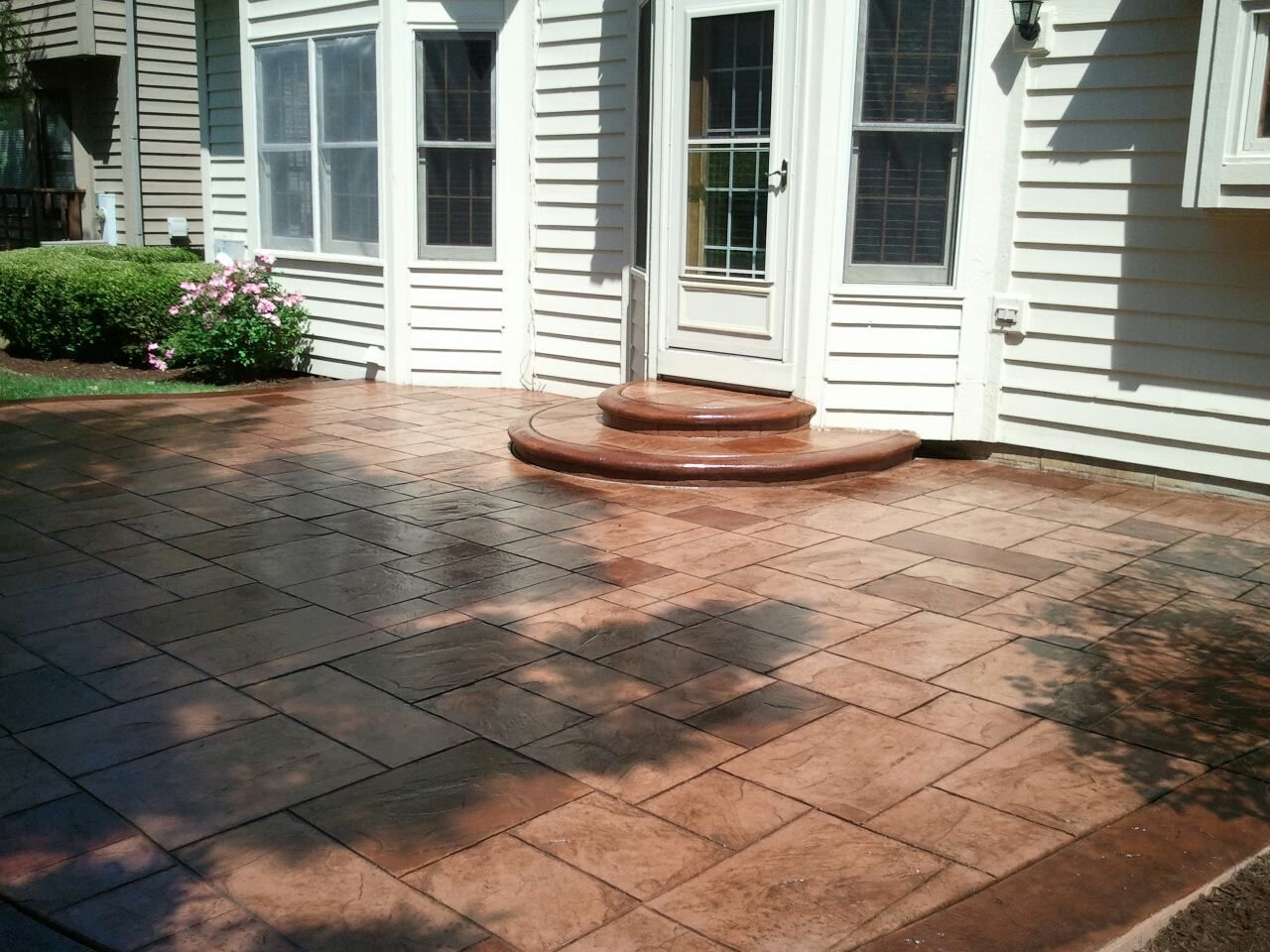
Expand outdoor living with durable concrete solutions. Whether you want a new patio, concrete stairs, retaining wall, walkways, fire pit, or step system, Harold Westwood Concrete Inc designs and installs functional, attractive additions that match your landscape and lifestyle.
Why additions matter
A well-designed patio or retaining wall enhances outdoor functionality, creates usable spaces, and increases property enjoyment. Additions such as concrete stairs, walkways, and fire pits create connectivity and focal points in your yard while minimizing maintenance. Concrete is an ideal material for these additions due to its durability, adaptability to shapes and finishes, and long service life in Wheaton’s climate.
Key benefits of concrete additions
Durability:
Resistant to rot, pests, and many weather-related issues.
Versatility: Can be cast into custom shapes and finished with decorative techniques.
Integration: Easily integrates with landscape elements, lighting, and hardscape drainage.
Cost-effective: Offers many design options at lower cost than some natural materials.
Low maintenance: Concrete requires less upkeep than wood decks or natural stone in many installations.
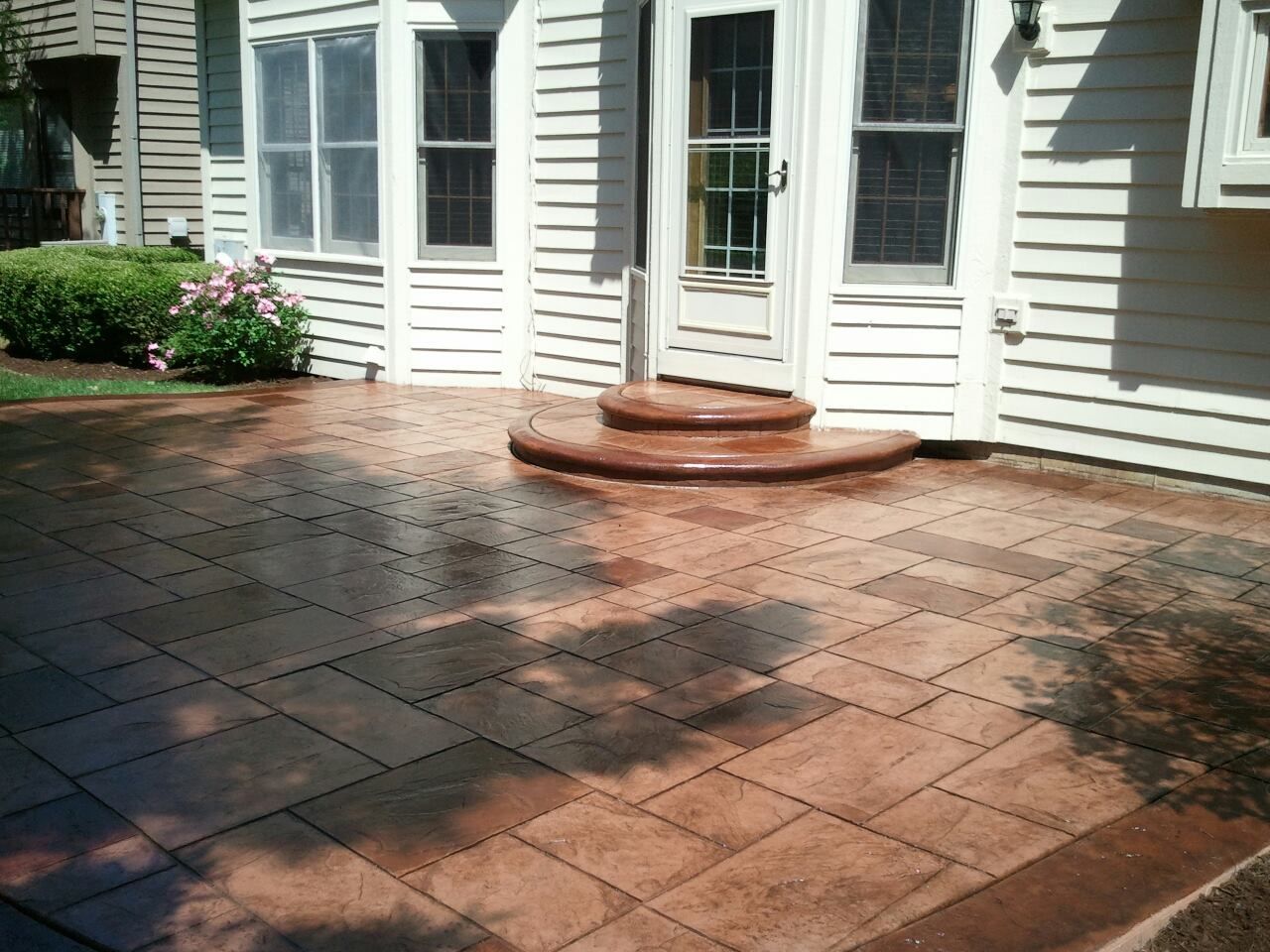
Common additions we build
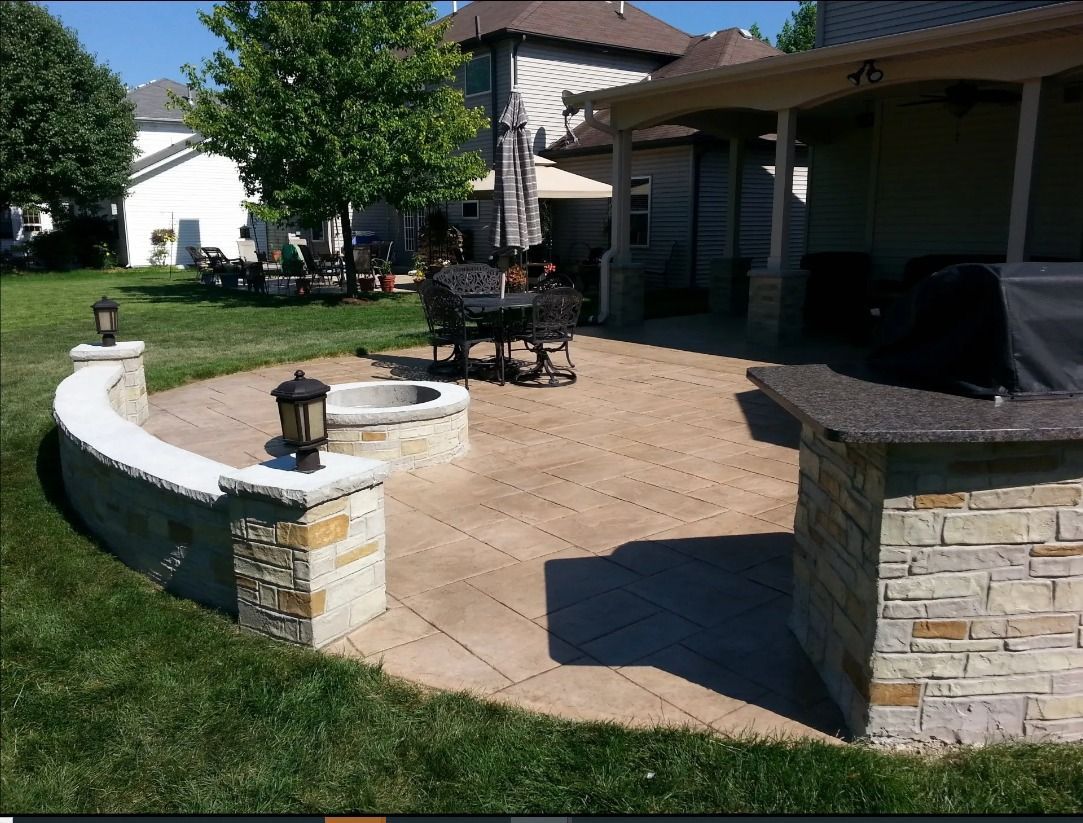
Patios and outdoor living areas
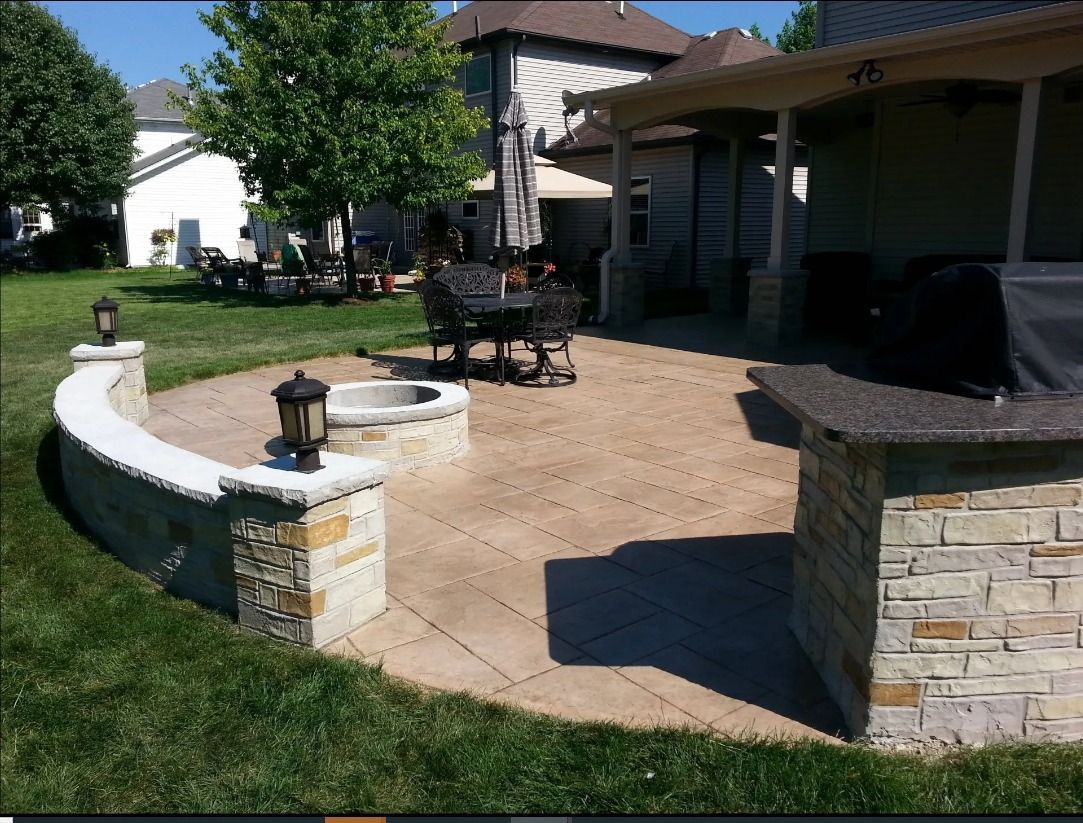
From simple slabs to multi-level decorative patios with integrated seating or fire features.
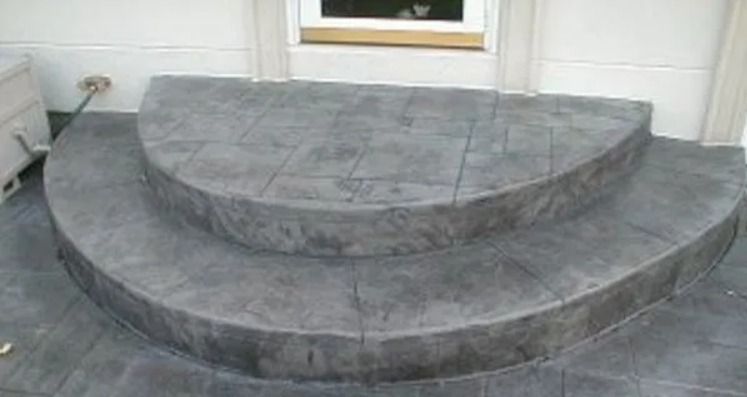
Concrete stairs and entry steps
Built to safe rise/run standards and finished for traction.
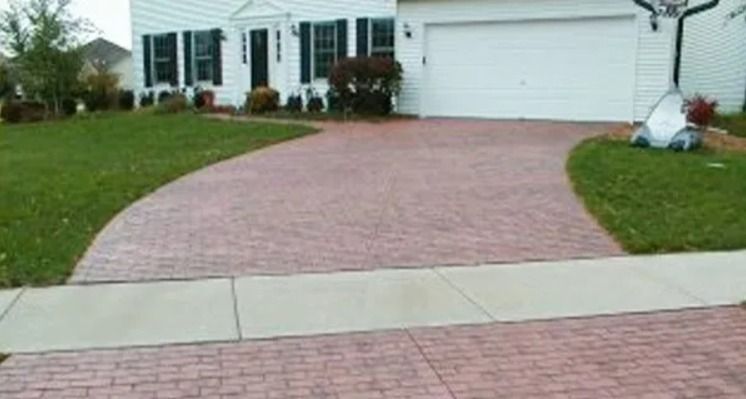
Walkways and sidewalks
Durable pedestrian paths designed for drainage and accessibility.
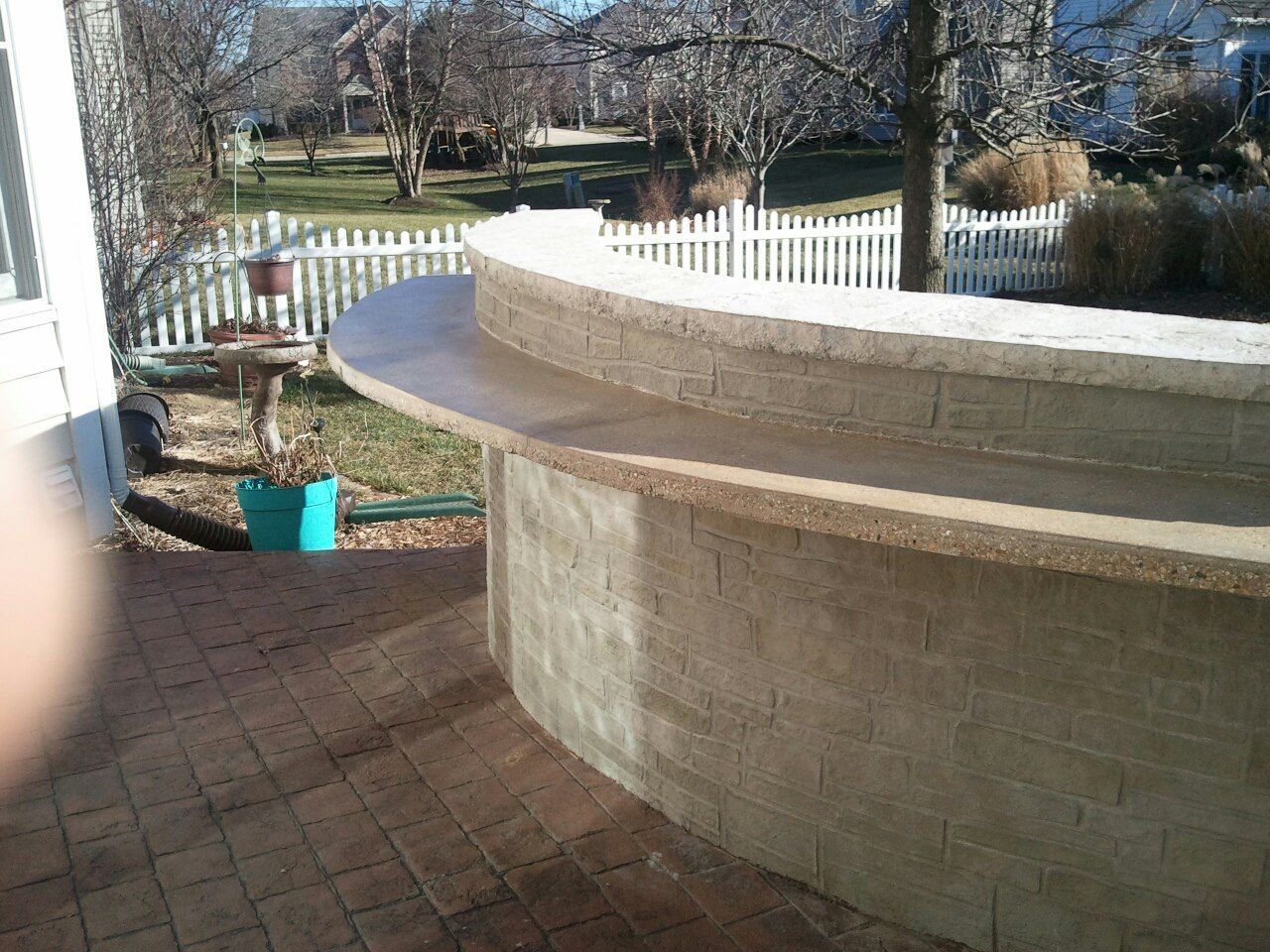
Retaining walls
Engineered solutions for soil retention, terracing, and landscape design.
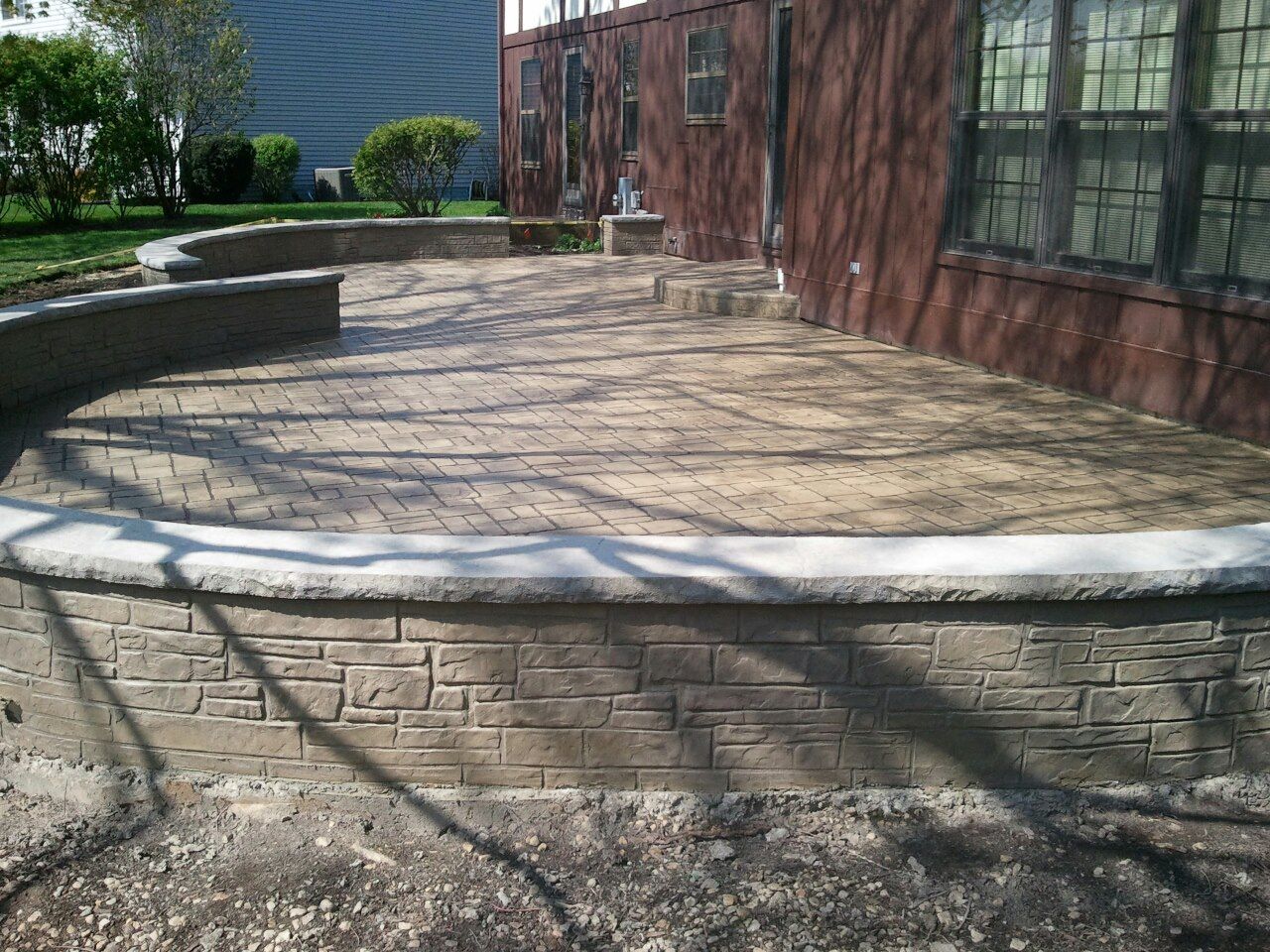
Fire pits and seating walls
Integrated hardscape features for outdoor entertainment.
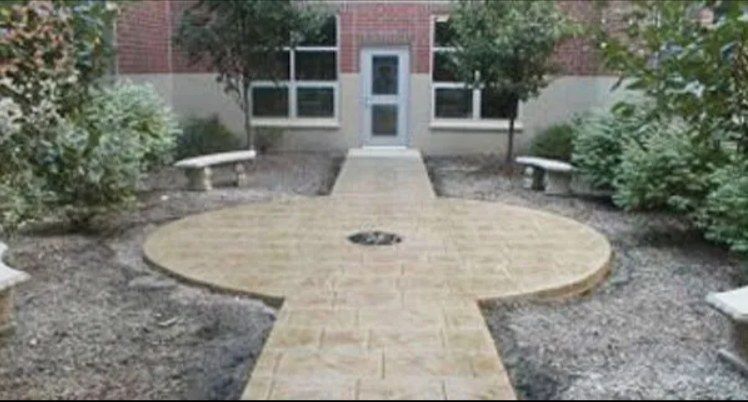
Steps, landings, and grade transitions
Durable solutions for sloped yards.
How we design and build additions
Consultation and planning
We discuss your intended use, materials, finish preferences, and budget. Site constraints like slope, utilities, and drainage inform design choices. For complex retaining walls or large grade changes, we collaborate with engineers.
Site preparation and excavation
Proper site prep prevents future settlement. For patios and walkways, compacted granular base is installed. Retaining walls often require footings and drainage behind the wall to relieve hydrostatic pressure.
Structural elements
- Patios and slabs: Designed for thickness, reinforcement, and slope.
- Retaining walls: Footings and drainage solutions sized per wall height and soil conditions. Geogrid reinforcement may be used for taller walls.
- Stairs: Custom-built with correct rise/run and slip-resistant treads.
Finishes and details
Choose from broom finish, stamped concrete, exposed aggregate, colored treatments, or polished surfaces for interior-adjacent patios. Integrate features like in-wall seating ledges, lighting channels, and conduit for outdoor electrical.
Hardscape integration
We coordinate installations with landscaping contractors, lighting specialists, and outdoor kitchen installers to ensure cohesive outcomes and proper sequencing of trades.
Fire pits and seating walls
Code and clearance: We follow local code for safe distances from structures and advise on surface materials and combustion considerations.
Construction: Fire pits can be cast-in-place concrete with heat-resistant liners or built with decorative precast units.
Seating walls: Integrated seating provides durable, low-maintenance options that complement patios.
Retaining walls: design notes
Height and load:
Taller walls require engineered design and proper footings; small garden walls can be built with standard construction methods.
Drainage: A drainage blanket and perforated drain pipe behind the wall prevent soil hydrostatic pressure build-up and extend wall life.
Backfill: Proper granular backfill and compaction protect the structural integrity.
Facing materials: Concrete walls can be finished with decorative treatments or faced with stone veneers if a particular look is desired.
Accessibility and safety considerations
Slip-resistant finishes for stairs and pool decks.
ADA considerations for public or commercial walkways and landings.
Handrail and guard requirements for elevated platforms or steps.
Maintenance and longevity
Clean surfaces of debris and reseal decorative treatments periodically.
Monitor and clear drainage behind retaining walls to prevent undue pressure.
Repair hairline cracks early to prevent water ingress and freeze-thaw damage.
Frequently asked questions
How long does building a patio or retaining wall take?
Project timelines vary—small patios may take a few days, while complex, multi-level patios or engineered retaining walls can take several weeks depending on excavation, curing, and site complexity.
Can you incorporate lighting and utilities into additions?
Yes. We coordinate conduit and buried electrical for lighting, gas lines for fire pits, and any other utilities needed, or collaborate with licensed electricians and plumbers.
What materials and finishes are best for low maintenance?
Exposed aggregate and sealed stamped concrete provide durable surfaces with relatively low maintenance. Proper sealing reduces staining and reduces the need for frequent upkeep.
Do retaining walls require permits?
Often, walls above certain heights or with specific load conditions require permits. We help identify permit needs and work with engineers and authorities when required.
Can you build custom-shaped patios and stairs?
Yes. Concrete is highly adaptable and can be cast into curving pathways, rounded patios, and custom stair configurations to fit your yard.
To plan your next concrete addition—patio, retaining wall, stairs, or fire pit
We’ll provide a detailed plan, timeline, and options for finishes and features.