Decorative Concrete: Combine durability and design
Decorative concrete offers homeowners and designers versatile options to achieve the look of natural stone, brick, or bespoke patterns while retaining the durability and low maintenance of concrete. Harold Westwood Concrete Inc provides decorative concrete solutions tailored to Wheaton’s climate and your design goals.
Why decorative concrete matters
Decorative concrete transforms ordinary slabs into signature elements of your landscape—driveways that complement your façade, patios that invite outdoor living, and walkways that define garden circulation. Beyond aesthetics, decorative options can also enhance surface performance, increase slip resistance, and extend service life when installed correctly.
Key benefits of decorative concrete
Aesthetic versatility: Wide range of colors, patterns, and textures to fit traditional or contemporary styles.
Integrated durability:
Decorative options are applied to structurally sound concrete for long-lasting finishes.
Cost-effectiveness: More affordable than natural stone installations while delivering a similar look.
Low maintenance: With periodic sealing and proper care, decorative concrete remains attractive with minimal upkeep.
Design continuity: Use matching colors and patterns to tie driveways, patios, and walkways together for a cohesive look.
Why hire a specialist for decorative concrete
Decorative concrete requires coordination of structural concrete practice and artistic application. Proper timing during placement, correct selection of release agents, and experienced stamping and finishing ensure patterns are crisp and colors are consistent. Mistakes are difficult to correct once the concrete sets; experienced installers reduce costly rework.
Popular decorative concrete options
Patterns pressed into fresh concrete to replicate brick, stone, slate, or tile.
Stamped concrete
Integral pigments or surface-applied colors to change the base hue.
Colored concrete
Surface treatment revealing durable decorative aggregates for texture and durability.
Exposed aggregate
Bonded systems used to rejuvenate existing concrete while providing new decorative finishes.
Overlays and micro-toppings
Surface treatments that produce variegated, natural colors that penetrate the concrete.
Acid staining and dyes
Custom-design details to frame and accent paving.
Integral borders, banding, and inlays
How we approach decorative concrete projects
We discuss your design goals, preferred colors, patterns, and end use (driveway vs. pedestrian patio). We show sample boards and previous project photos and, if necessary, create small on-site mock-ups.
Initial design consultation
Material selection and color matching
We help you select integral pigments, color hardeners, release agents, and sealers to achieve the desired tone and durability. For tight color matches, we recommend an on-site mock-up to view the final color in natural light.
Proper base and structural preparation
Decorative finishes perform best when placed on a structurally sound slab. We address subgrade preparation, reinforcement, drainage, and compaction before decorative processes begin.
Application techniques
Application techniques
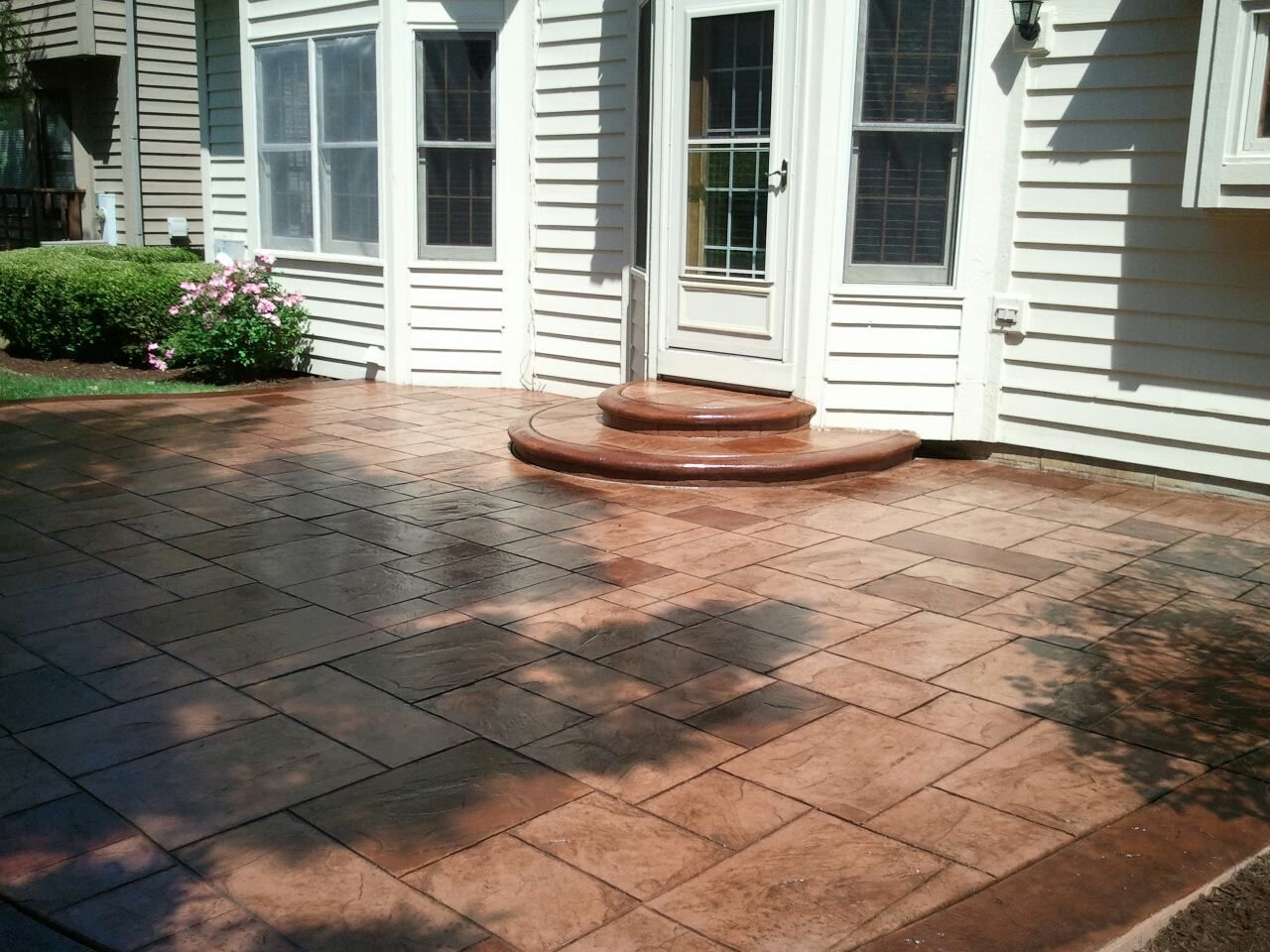
Stamped concrete: After placement, we apply color hardener and release agent, then imprint the pattern using texture mats. Secondary staining, antiquing, or hand-tooling can refine the look.
Exposed aggregate: We place the concrete with decorative aggregates and use retarders or washing to expose the aggregate to the desired extent.
Colored concrete: Integral mix coloring is added at the plant; surface-applied color hardeners or stains add tone and depth.
Overlays: For existing slabs, we prepare the surface, apply bonding agents, and trowel decorative overlays with embedded pigments or textures.
Design considerations and options
Patterns and scale: Larger patterns work better on expanses; smaller patterns read well on patios or entryways.
Jointing: Control joints are critical for crack management and must be incorporated into design lines.
Color selection: Lighter colors reduce heat absorption; darker colors may show more staining. We discuss practical implications based on intended use.
Slip resistance: For pool decks or steep areas, we recommend textured finishes or aggregate exposure to improve traction.
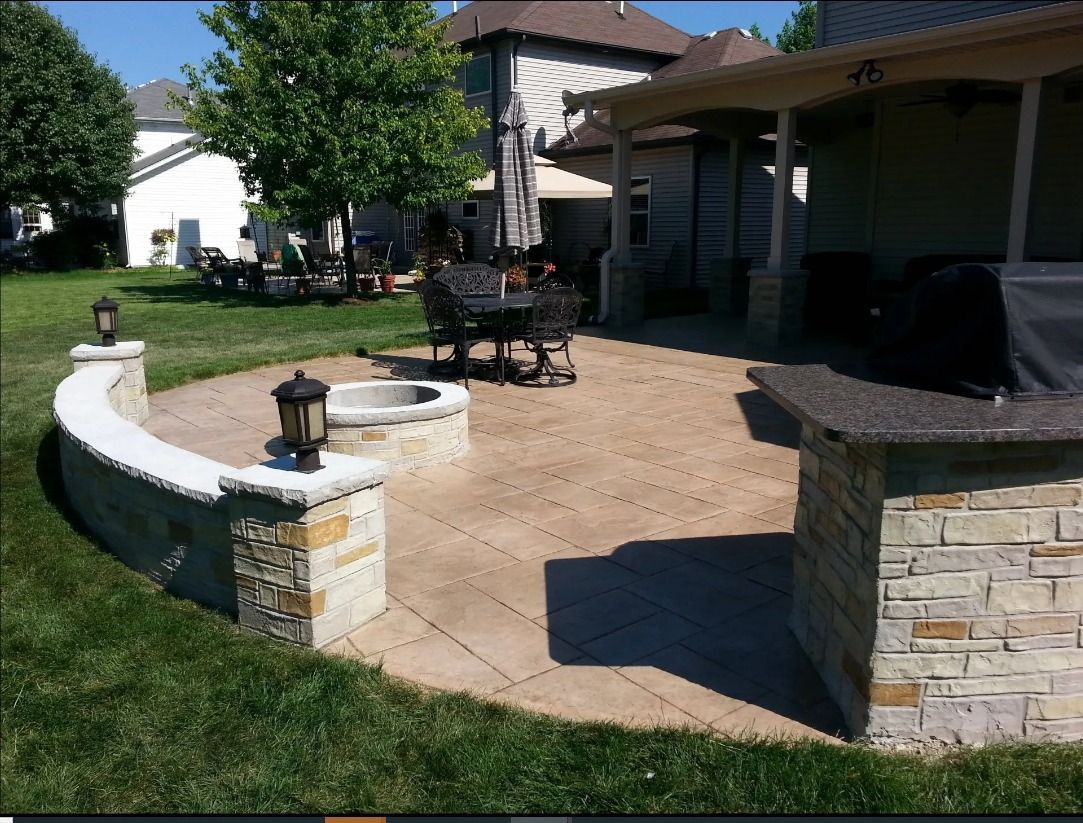
Integration: Match decorative treatments across connected areas (patio to step to retaining wall coping) for a cohesive look.
Common applications
- Patios and outdoor living spaces
- Driveways and entry aprons
- Walkways and sidewalks
- Pool decks and terraces
- Commercial plazas and storefront entrances
- Interior polished concrete (upon request for special projects)
Maintenance and longevity
Decorative surfaces benefit from regular cleaning and periodic resealing (typically every 2–4 years depending on sealer type). Avoid petroleum solvents and clean spills quickly. For stained or decorative overlays, follow manufacturer recommendations for reapplication of protective coatings.
Frequently asked questions
How long does stamped concrete last?
With proper installation, base preparation, and maintenance (including sealing), stamped concrete can last decades. Longevity depends on traffic, freeze-thaw exposure, and maintenance.
Can stamped or colored concrete be repaired if damaged?
Yes. Localized repairs are possible but matching color and texture exactly is challenging. Overlays or partial resurfacing are options for broader repairs.
How soon can I use a newly finished decorative concrete surface?
Light pedestrian traffic is usually acceptable after 24–48 hours; heavier use and vehicle traffic should wait until the specified cure strength is achieved—often 7 days for light vehicles and up to 28 days for full strength.
Does decorative concrete require sealing?
Yes. Sealing protects color, enhances appearance, and reduces staining. Frequency depends on exposure and sealer type.
Can you create custom patterns or logos?
Yes. We offer custom borders, inlays, and logos using stamping, integral colors, or saw-cut patterns. Custom work requires careful planning and may need templates or pre-fabricated molds.
For a decorative concrete consultation, color samples, or a mock-up request
We’ll help you choose the right materials and finishes to match your aesthetic and functional needs.