Driveway Installation
Durable, attractive, and designed for Wheaton’s climate. Your driveway is one of the first things guests and visitors notice about your property. It must perform—bearing vehicle loads, shedding water, resisting freeze-thaw cycles—while contributing to curb appeal. Harold Westwood Concrete Inc specializes in professionally engineered driveway installations and replacements that last.
Why driveway installation matters
A driveway is not just a path from the street to your garage; it’s a structural slab subject to heavy loads, environmental stress, and daily use. Improper installation leads to cracking, settlement, scaling, and drainage problems that necessitate costly repairs or premature replacement. A correctly designed driveway addresses:
Adequate thickness and reinforcement for vehicle loads
Proper subgrade and base compaction to prevent settlement
Drainage away from the foundation and toward approved outlets
Freeze-thaw protection through air-entrained concrete mixes
Joint placement to control cracking
Key benefits of a professionally installed driveway
Longevity:
Proper materials and installation extend the useful life beyond what DIY or low-quality work can provide.
Curb appeal:
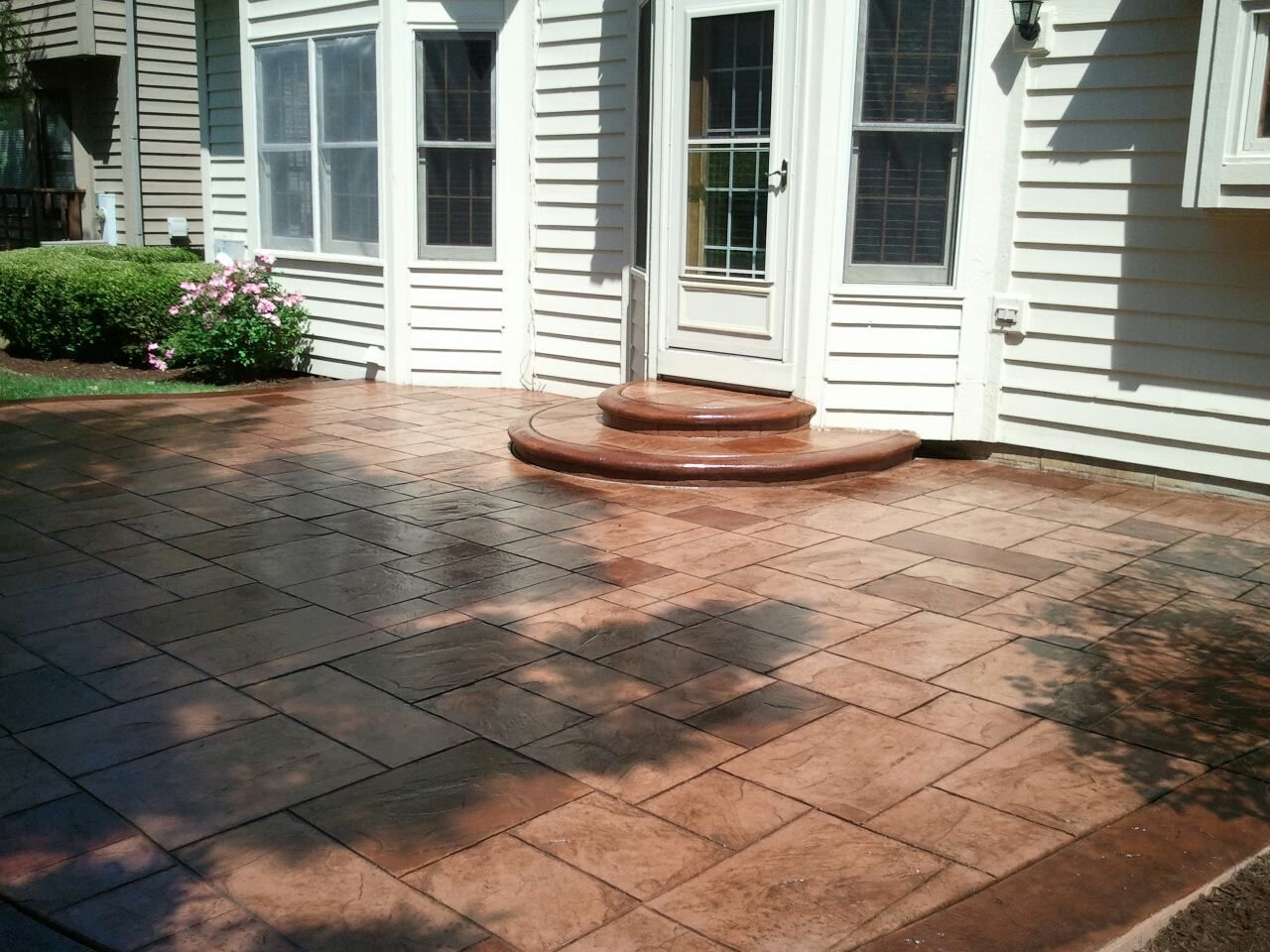
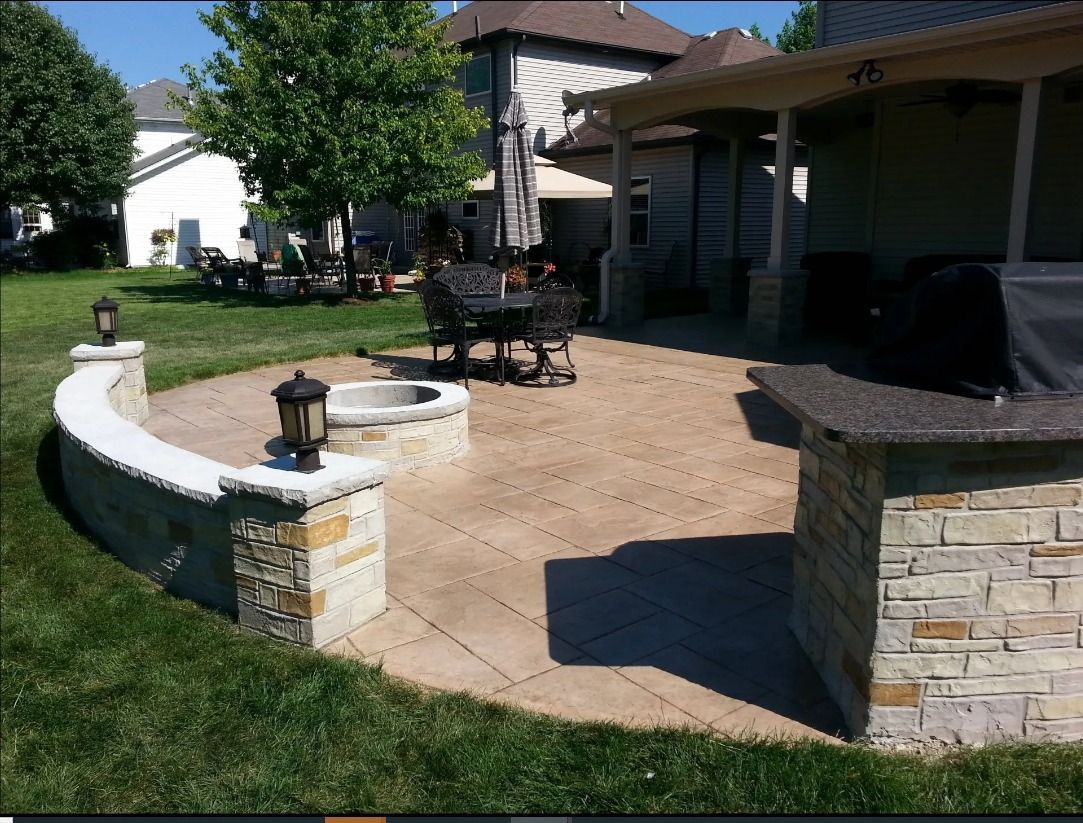
Decorative options—colored, stamped, or exposed aggregate—improve aesthetic value.
Safety:
Correct slope, skid-resistant finishes, and appropriate transition edges reduce trip hazards and vehicle slide.
Low maintenance:
Durable finishes and correct drainage reduce long-term upkeep.
Enhanced property value:
A quality driveway increases perceived value and resale potential.
How Harold Westwood Concrete Inc handles driveway installation
Site assessment and design consultation
1
We begin with a detailed site evaluation: driveway length and width, vehicle load expectations, existing conditions, soil type, and drainage. We discuss finish options (broom finish, exposed aggregate, stamped, colored) and provide samples.
Demolition and excavation
2
When replacing an existing driveway, we remove the old slab and dispose of material responsibly. We excavate to the required depth to accommodate slab thickness and base material. Depth accounts for compacted aggregate base and the concrete slab to structural specifications.
Subgrade preparation and base installation
3
A well-prepared subgrade prevents settlement and movement. We remove organic material and unsuitable soils, replace with compacted granular base (typically Class 5 or equivalent) and compact to manufacturer or engineer-specified densities. Proper base thickness depends on soil-bearing capacity and expected loads; residential driveways typically have thicker bases under high-traffic or heavy vehicle use.
Reinforcement and formwork
4
We install perimeter forms and reinforcement. For heavy vehicle loads, we use rebar arranged per code or engineered specifications. Wire mesh is suitable in some cases, but rebar provides superior resistance to bending and facilitates longer service life.
Concrete mix and placement
5
Our concrete mix designers specify strength (psi), air entrainment for freeze-thaw cycles, and admixtures (plasticizers, retarders) as needed. We coordinate delivery and placement for even consolidation and minimal cold joints. During placement, we ensure proper depth, screed, and compaction of the concrete to avoid voids.
Finishing and joints
6
When Finishes depend on your selection:
- Broom finish: Standard, slip-resistant texture.
- Exposed aggregate: Decorative stones exposed using chemical retarders.
- Stamped concrete: Patterns imprinted with texture mats and colored compounds.
- Colored concrete: Integral pigments added to the mix or surface hardeners.
Control joints are placed at recommended intervals to control where shrinkage cracks develop. We also add expansion joints where the driveway meets structures to prevent stress transfer.
Curing and protection
7
Proper curing is essential for strength development and minimized cracking. We apply curing compound or wet curing methods as appropriate. Fresh concrete is protected from premature freeze, rapid drying, or heavy interruptions.
Sealing and maintenance
8
For decorative surfaces, we recommend a high-quality penetrating or film-forming sealer once the concrete reaches the recommended strength. Sealers reduce staining and surface wear. We provide maintenance guidance: avoid heavy loads for the first 7 days, and limit snow-melting chemicals on new concrete in the first winter.
Materials and specifications
Concrete strength: Typically 4,000–5,000 psi for residential driveways, adjusted for local requirements and loads.
Reinforcement: Rebar (size and spacing engineered), wire mesh where appropriate.
Base materials: Compacted granular aggregate per local specs.
Admixtures: Air-entraining agents for freeze-thaw protection; water reducers and plasticizers for workability.
Design considerations and customization
Thickness: Standard residential driveways are 4–6 inches, but may require 6–8 inches in high-load areas or when heavier vehicles will use the surface.
Load-bearing features: Aprons, turnarounds, and areas near garage entries might need added thickness and reinforcement.
Transitions: Smoother transitions at sidewalks, curbs, and existing slabs prevent cracking and trip hazards.
Drainage: Cross-slope and drainage channels ensure water moves away from the house and foundation.
Decorative options: Color matching, stamped patterns, and border treatments create a premium look.
Common concerns and solutions
Cracking: Controlled by proper jointing and reinforcement; small shrinkage cracks are typical but should be minimized.
Heaving: Often caused by poor subgrade or drainage; corrected with proper compaction and base design.
Staining: Use sealers and create proper drainage to reduce oil and rust staining.
Settling: Ensure compaction standards are met during base installation; poor compaction leads to settlement.
Maintenance tips
Clean spills promptly and avoid strong chemicals.
Reseal decorative surfaces every 2–4 years depending on traffic and weather exposure.
Fill small cracks early with a repair caulk to stop water infiltration.
Remove heavy snow with plastic shovels or snow blowers and avoid sharp metal blades that can score the surface.
Frequently asked questions
How long before I can drive on a new concrete driveway?
Light foot traffic is usually okay after 24–48 hours, but vehicle traffic should wait until the concrete reaches sufficient strength—usually 7 days for light vehicles and 28 days for full design strength. We’ll advise based on project specifics.
Can you match a colored driveway to my home’s exterior?
Yes. We provide color samples and mock-ups so you can evaluate color choices in natural light.
Are heated driveways an option?
Yes, we can incorporate electric or hydronic snow-melting systems under new driveways. These systems require careful design for slab thickness and conduits.
What is the typical cost range for driveway installation?
Costs vary by size, finish, reinforcement, and site conditions. Our estimates provide a detailed breakdown. Call (630) 668-5279 for an on-site estimate.
Do you offer warranties?
We offer workmanship guarantees and will provide product warranty details for sealers or injected materials used. Warranty terms are included in your written proposal.
To schedule a driveway estimate or site evaluation
We’ll provide a detailed, no-obligation quote and timeline.