Water proofing
Protect foundations, slabs, and outdoor concrete from moisture damage. In Wheaton’s variable climate, water is a primary cause of foundation deterioration, slab heaving, and interior moisture problems. Harold Westwood Concrete Inc provides waterproofing services that reduce risk, preserve structure, and increase the lifespan of concrete elements.
Why waterproofing matters
Concrete is porous. When water penetrates slabs or foundations, it can freeze and expand in winter, cause efflorescence, undermine subgrades, or create interior moisture problems. Effective waterproofing addresses pressure from groundwater and surface runoff, mitigates hydrostatic pressure, and protects against long-term moisture-related deterioration.
Key benefits of professional waterproofing
Protects structural integrity of foundations and slabs
Reduces risk of mold, mildew, and interior moisture
Prevents soil erosion under slabs and pavements
Extends service life of concrete installations
Improves comfort and reduces maintenance costs
Waterproofing solutions we provide
- Exterior membranes: Applied to foundation walls to prevent water penetration. We use sheet membranes or liquid-applied membranes depending on conditions and preferences.
- Cementitious coatings: For internal applications and where surface preparation restricts membrane use.
- Positive-side waterproofing: Applied to exterior foundation walls during excavation for the most effective solution
Foundation membranes and coatings
- French drains (perimeter drains): Installed at footing level to intercept groundwater and direct it to outlets.
- Interior drainage channels: Installed under basement slabs to provide a controlled path to a sump pump.
- Downspout and grading corrections: Manage surface water to prevent pooling near foundations.
Drainage solutions
- Epoxy injection: For structural crack repair that restores load transfer.
- Polyurethane injection: For flexible, water-blocking repairs where cracks are active.
- Flexible joint sealants:
For expansion joints and control joints that need water-tight seals.
Crack injection and joint sealing
Penetrating sealers: Protect slabs and surfaces by reducing water absorption while maintaining breathability.
Membrane systems: Applied under slabs or on existing surface slabs for extra protection against water infiltration.
Slab waterproofing and sealers
We install sump pumps and discharge systems with battery backup for properties with high water table concerns. Proper discharge routing and permitting are handled as part of the system installation.
Sump pump systems and backup solutions
How we assess waterproofing needs
We begin with a full site and interior assessment:
Identify sources of moisture (surface runoff, downspouts, groundwater)
Examine foundation conditions, wall finishes, and existing waterproofing
Assess soil and grading, presence of hydrostatic pressure, and historical seepage points
Recommend solutions based on severity and feasibility
Interior waterproofing approaches
- Install interior perimeter drains and sump pump: an effective choice when exterior excavation is not possible.
- Seal walls and floors with appropriate coatings and membranes to reduce moisture passage.
- Install vapor barriers and dehumidification where needed for interior comfort and to protect finishes.
Installation steps for exterior foundation waterproofing
Common faux pas and how we avoid them
Ignoring surface grading: Even the best waterproof membrane fails if surface water flows toward the foundation. We correct grades and implement downspout routing strategies.
Choosing the wrong membrane: Membrane selection impacts performance—sheet membranes can offer robust protection while liquid membranes conform to irregular surfaces.
Poorly installed drains: Sump pumps and French drains require correct slope and routing; otherwise, they become ineffective or clog.
Integrated solutions for outdoor concrete structures
For patios, sidewalks, retaining walls, and other exterior concrete elements, we recommend:
- Positive slope away from the structure
- Proper jointing to limit water infiltration
- Sealers or membranes for exposed surfaces where water exposure is significant
- Drainage capture and discharge away from structures
Maintenance and monitoring
- Inspect downspouts and grading annually.
- Ensure sump pumps have working float switches and consider battery backup.
- Reapply surface sealers per manufacturer recommendations.
- Monitor for new cracks and settle promptly to avoid water ingress.
Frequently asked questions
How do I know if I need waterproofing?
Signs include damp basements, efflorescence, mildew smell, visible seepage, or water pooling near foundation walls. An on-site assessment will identify the best solutions.
Can you waterproof without digging?
Interior waterproofing (interior drains and sump pumps) is possible and effective in many cases. However, exterior waterproofing with membranes is the most durable solution when feasible.
Are waterproofing systems permanent?
Exterior systems applied correctly are long-lasting but may require future maintenance. Interior systems protect interiors but do not eliminate exterior hydrostatic pressure; they manage the water that reaches the foundation.
Do you provide warranties on waterproofing?
We provide warranty information based on the products and systems used. Sump pumps and mechanical equipment may carry separate manufacturer warranties.
How long does waterproofing installation take?
Project timelines depend on scope. Exterior membrane installation with excavation may take several days to a week. Installation of interior sump systems is often completed in a day or two.
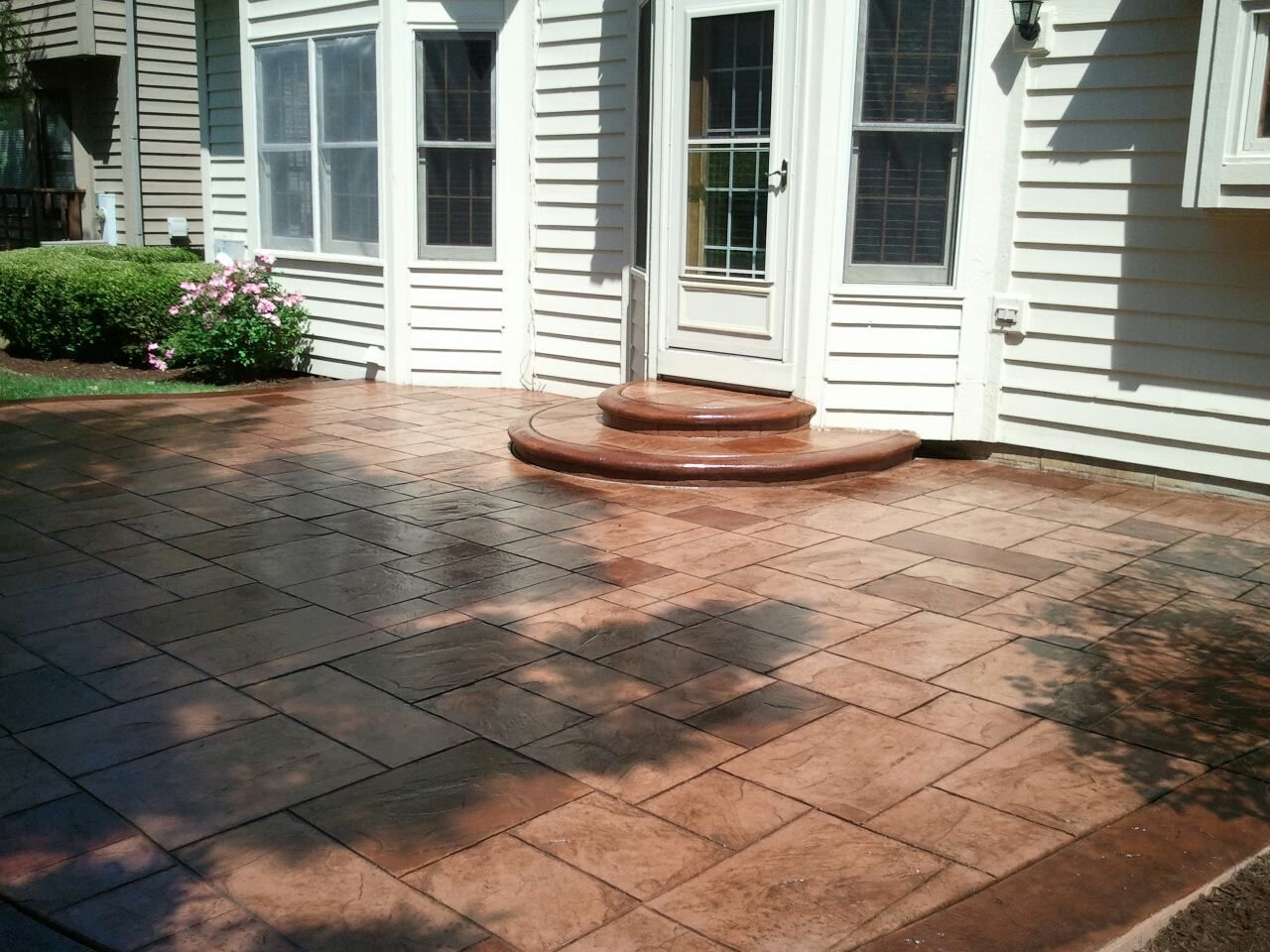
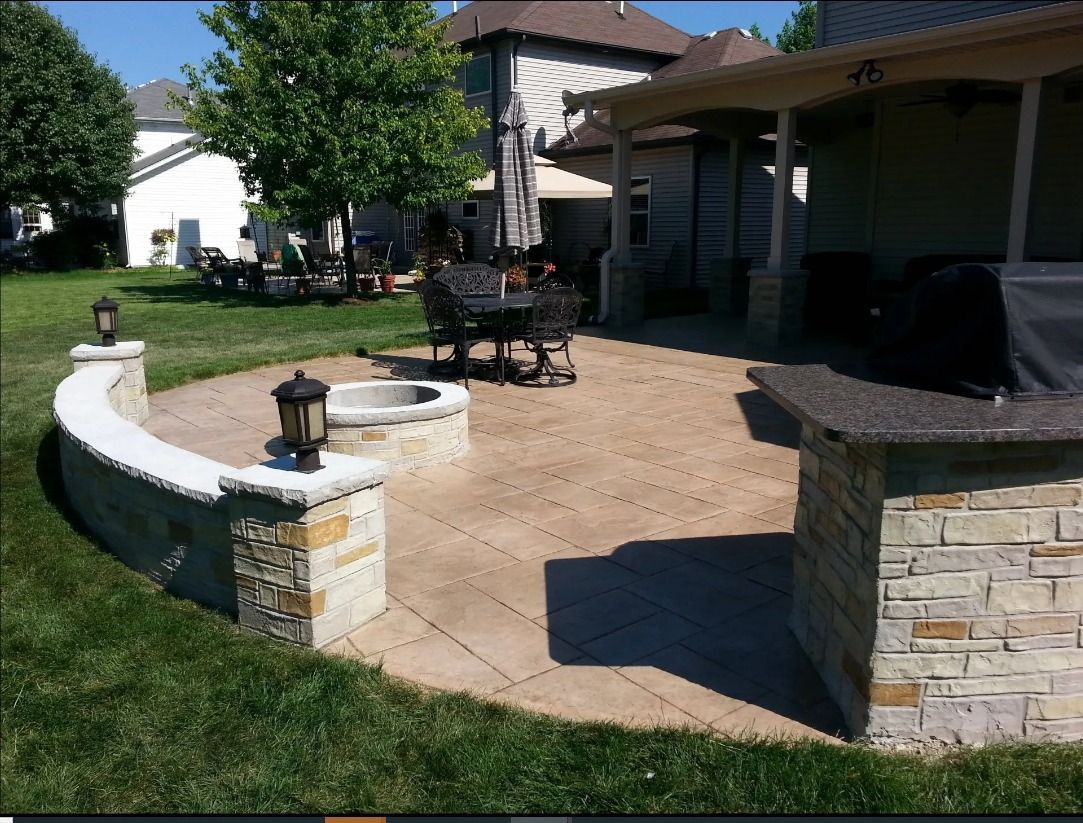
For a decorative concrete consultation, color samples, or a mock-up request
We’ll help you choose the right materials and finishes to match your aesthetic and functional needs.