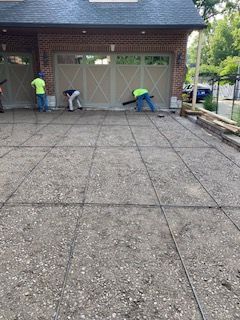
The best time to install a concrete driveway in Wheaton, IL is typically
late spring through early fall, when temperatures consistently range between
50°F and 80°F. These conditions allow concrete to cure properly, which is essential for long-term durability and strength.
Timing your driveway installation correctly is especially important in Illinois, where extreme seasonal changes—including freezing winters and hot summers—can impact how concrete sets and performs over time. Choosing the right season helps prevent cracking, uneven curing, and costly repairs down the road.
Why Timing Matters for Concrete Installation
Concrete doesn’t simply “dry”—it cures through a chemical reaction that depends heavily on temperature and moisture. If conditions aren’t ideal, the curing process can be compromised.
What Happens During Curing?
When water mixes with cement, it triggers hydration, which allows the concrete to harden and gain strength. This process requires:
- Consistent temperatures
- Controlled moisture levels
- Protection from extreme weather
If concrete cures too quickly (in heat) or too slowly (in cold), it can weaken the final structure.
Seasonal Breakdown for Concrete Installation in Illinois
Each season in Wheaton presents different advantages and challenges for driveway installation.
Spring (March – May): One of the Best Times
Spring is widely considered one of the best seasons for concrete work in Illinois.
Advantages:
- Moderate temperatures ideal for curing
- Balanced moisture levels
- Reduced risk of extreme heat or cold
Considerations:
- Rain can delay projects
- Ground may still be soft from winter thaw
Spring is a great time to schedule your project early, especially before peak summer demand begins.
Summer (June – August): Good but Requires Care
Summer is a popular time for driveway installation, but high temperatures can create challenges.
Advantages:
- Fast project timelines due to consistent weather
- Dry conditions reduce delays
Challenges:
- Heat can cause concrete to cure too quickly
- Increased risk of surface cracking
- Requires additional watering and protective measures
Experienced contractors will take extra steps—such as controlling moisture and working during cooler parts of the day—to ensure proper curing.
Fall (September – November): Ideal Conditions
Fall is often considered the
best overall season for concrete driveway installation in Wheaton.
Advantages:
- Cooler, stable temperatures
- Lower humidity levels
- Reduced risk of rapid curing
Considerations:
- Shorter daylight hours
- Need to complete projects before the first freeze
Fall provides excellent conditions for achieving strong, durable concrete.
Winter (December – February): Not Recommended
Winter is generally the least favorable time for concrete installation in Illinois.
Challenges:
- Freezing temperatures halt the curing process
- Ice formation can weaken concrete
- Additional materials and heating methods are required
While it is possible to pour concrete in winter using specialized techniques, it significantly increases costs and risks.
How Wheaton’s Climate Affects Concrete
Wheaton experiences significant seasonal fluctuations, including:
- Freezing winters with snow and ice
- Warm, humid summers
- Frequent freeze-thaw cycles
These conditions make proper installation timing critical. If concrete is not cured correctly, it becomes more vulnerable to:
- Cracking
- Surface deterioration
- Structural weakness
Working with a contractor familiar with local climate conditions ensures your driveway is built to withstand these challenges.
Temperature Guidelines for Concrete Installation
To achieve optimal results, contractors aim for specific temperature ranges during installation.
Ideal Conditions:
- Air temperature: 50°F to 80°F
- Ground temperature: Above freezing
- Minimal wind and direct sun exposure
Risky Conditions:
- Below 40°F (slow curing, potential freezing)
- Above 90°F (rapid curing, cracking risk)
Maintaining proper conditions during the first 48 hours is especially important for long-term durability.
Planning Your Driveway Project in Wheaton
Proper planning ensures your project runs smoothly and avoids seasonal delays.
Book Early
Spring and fall are high-demand seasons. Scheduling in advance helps secure your preferred timeline.
Monitor Weather Forecasts
Even during ideal seasons, unexpected weather can impact installation.
Allow Time for Permits
Some driveway projects in Wheaton require permits, so factor in approval time when scheduling.
Coordinate with Other Projects
If you’re planning additional work—such as patios or walkways—consider completing everything at once to maximize efficiency.
Common Mistakes When Timing Concrete Installation
Avoid these mistakes that can compromise your driveway:
Waiting Too Long in Fall
Delaying installation until late fall increases the risk of freezing temperatures.
Ignoring Heat in Summer
Pouring concrete during peak heat without proper precautions can lead to cracking.
Rushing the Process
Trying to complete installation too quickly without proper curing time can weaken the concrete.
Choosing Convenience Over Conditions
The best time for your schedule may not be the best time for the concrete. Prioritize proper conditions.
How Contractors Ensure Proper Curing
Experienced contractors take specific steps to control the curing process, regardless of the season.
In Hot Weather:
- Use water sprays to maintain moisture
- Work during early morning or evening
- Apply curing compounds
In Cooler Weather:
- Use insulated blankets
- Monitor temperature closely
- Adjust mix designs if necessary
These techniques help ensure the concrete reaches its full strength.
FAQs About Concrete Installation Timing
Can concrete be poured in winter in Illinois?
Yes, but it requires special equipment and techniques, making it more expensive and risky.
How long does concrete take to cure?
Initial curing takes
24–48 hours, but full strength develops over
28 days.
What happens if it rains after pouring concrete?
Light rain usually doesn’t cause issues, but heavy rain can damage the surface if it occurs before the concrete sets.
Is fall better than spring for installation?
Both are excellent, but fall often provides more stable conditions with less moisture.
Long-Term Benefits of Proper Timing
Installing your driveway at the right time provides several advantages:
- Stronger, more durable concrete
- Reduced risk of cracking
- Better resistance to weather conditions
- Longer lifespan with fewer repairs
In a climate like Wheaton’s, these benefits make a significant difference over time.
Final Thoughts
Choosing the right time of year for concrete driveway installation in Wheaton, IL is one of the most important decisions you can make for your project. Late spring through early fall offers the best conditions for proper curing, durability, and long-term performance.
By planning ahead and working with experienced professionals who understand local weather patterns, you can ensure your driveway is built to last through Illinois’ challenging climate.
With over 50 years of experience, Harold Westwood Concrete Inc has successfully completed driveway installations across all seasons, using proven techniques to deliver reliable, high-quality results.
If you’re considering a new driveway, planning your project during the right season is the first step toward a long-lasting investment.