Choosing between a concrete walkway and pavers is one of the most common decisions homeowners face when upgrading their outdoor space. Both options offer unique benefits, but the best choice depends on your budget, maintenance preferences, design goals, and long-term expectations.
In Wheaton, IL, where weather conditions include freezing winters and fluctuating temperatures, durability is especially important. Concrete walkways are known for their strength and low maintenance, while pavers offer greater design flexibility and easier repairs.
Understanding the differences between these two options will help you choose the right solution for your home.
What Is a Concrete Walkway?
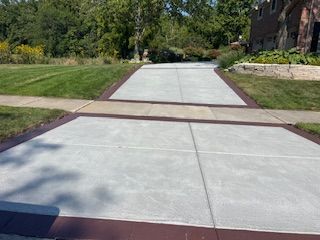
A concrete walkway is a continuous, poured surface that is shaped and finished on-site. It can be installed in a variety of styles, including:
- Standard broom-finished concrete
- Stamped or decorative concrete
- Colored or stained finishes
- Exposed aggregate
Concrete walkways are popular in Wheaton because they provide a clean, modern look while offering long-term durability.
What Are Paver Walkways?
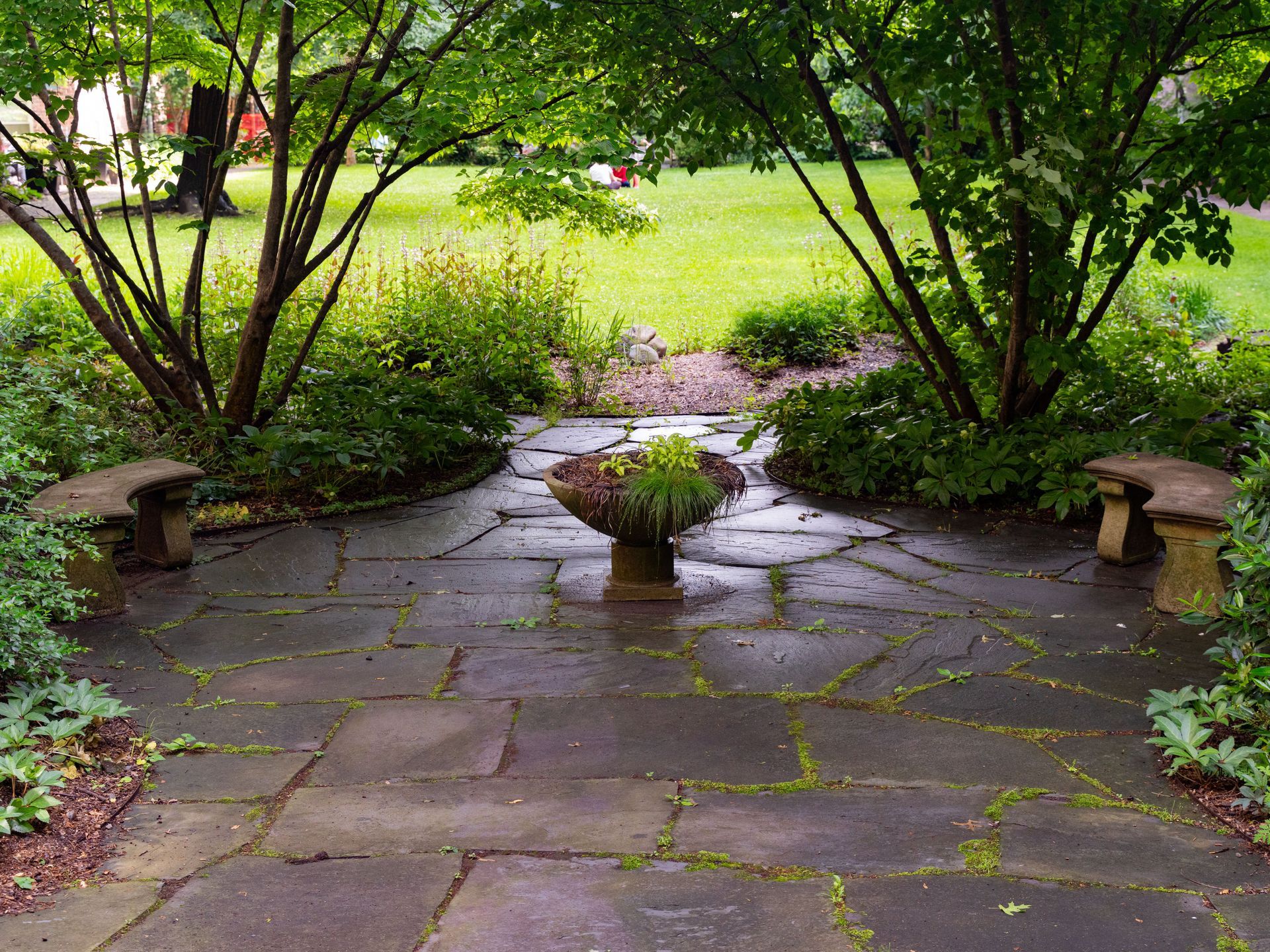
Paver walkways are made from individual units, such as bricks, stones, or concrete pavers, arranged in patterns over a prepared base.
Common Types of Pavers:
- Brick pavers
- Concrete pavers
- Natural stone pavers
Pavers are known for their decorative appeal and ability to create intricate designs.
Key Differences Between Concrete and Pavers
Understanding how these materials compare will help you make an informed decision.
1. Cost Comparison
Cost is often one of the biggest deciding factors.
Concrete Walkways:
- $6–$10 per square foot (standard)
- $10–$18 per square foot (decorative)
Paver Walkways:
Concrete is generally more affordable upfront, making it a popular choice for homeowners looking to stay within budget.
2. Installation Process
The installation process differs significantly between the two options.
Concrete Installation:
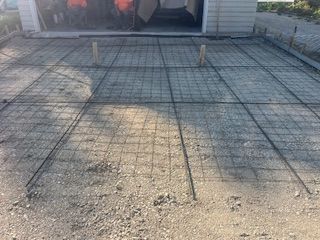
- Excavation and base preparation
- Form setting
- Pouring and finishing concrete
- Curing
Paver Installation:
- Excavation and base preparation
- Sand layer installation
- Individual placement of pavers
- Joint filling and compaction
Paver installation is more labor-intensive, which contributes to higher costs.
3. Durability in Illinois Weather
Wheaton’s climate plays a major role in determining which material performs better over time.
Concrete:
- Strong and durable
- Resistant to heavy loads
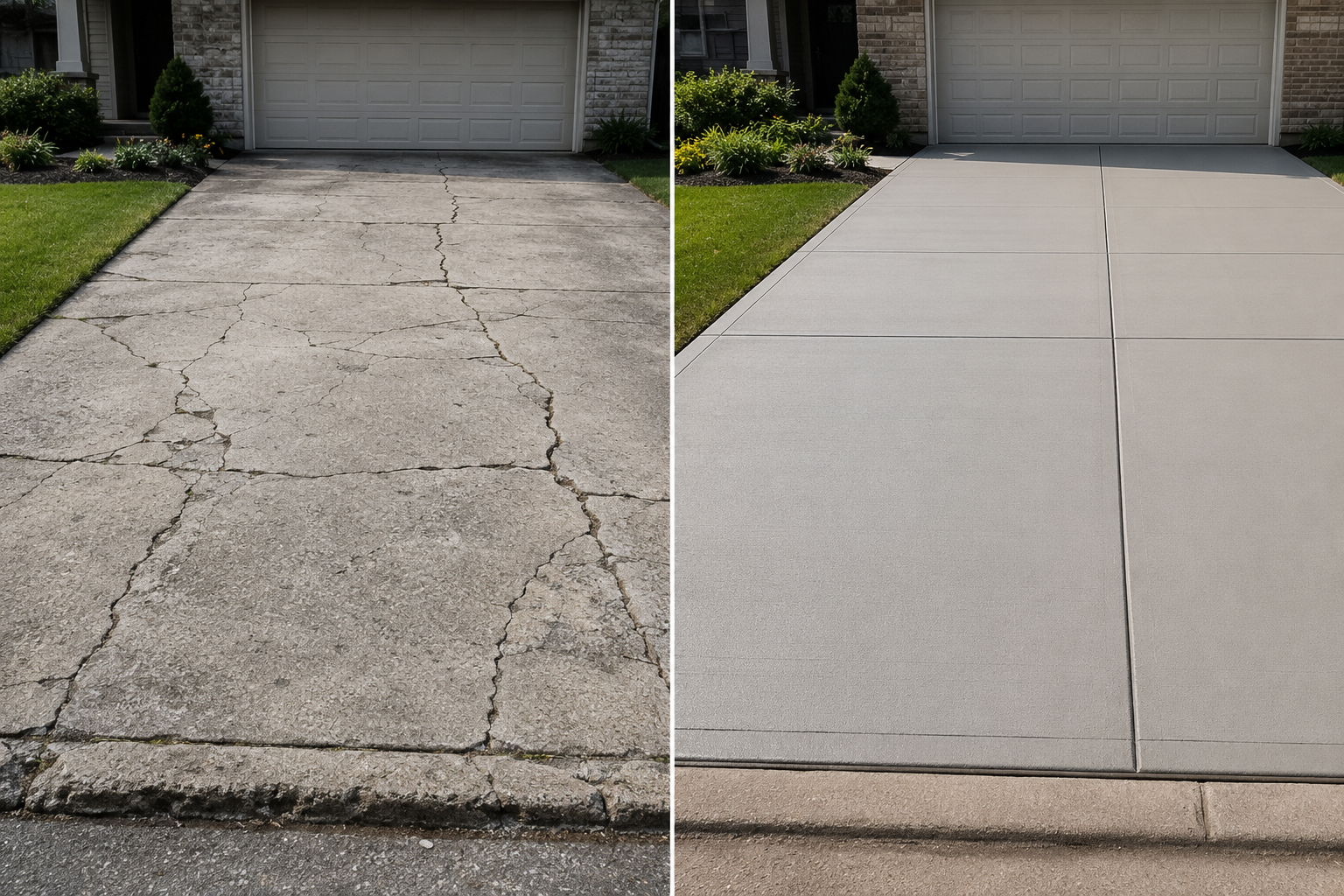
- Can crack due to freeze-thaw cycles if not installed properly
Pavers:
- Flexible and less prone to cracking
- Can shift or settle over time
- Joints may allow weed growth
Both materials perform well when installed correctly, but concrete offers greater structural stability.
4. Maintenance Requirements
Maintenance is an important factor for long-term satisfaction.
Concrete Walkways:
- Minimal maintenance
- Occasional cleaning and sealing
- Crack repairs may be needed over time
Paver Walkways:
- Regular maintenance required
- Weed control between joints
- Re-leveling may be necessary
Concrete is generally easier to maintain, making it a more convenient option for many homeowners.
5. Design Flexibility
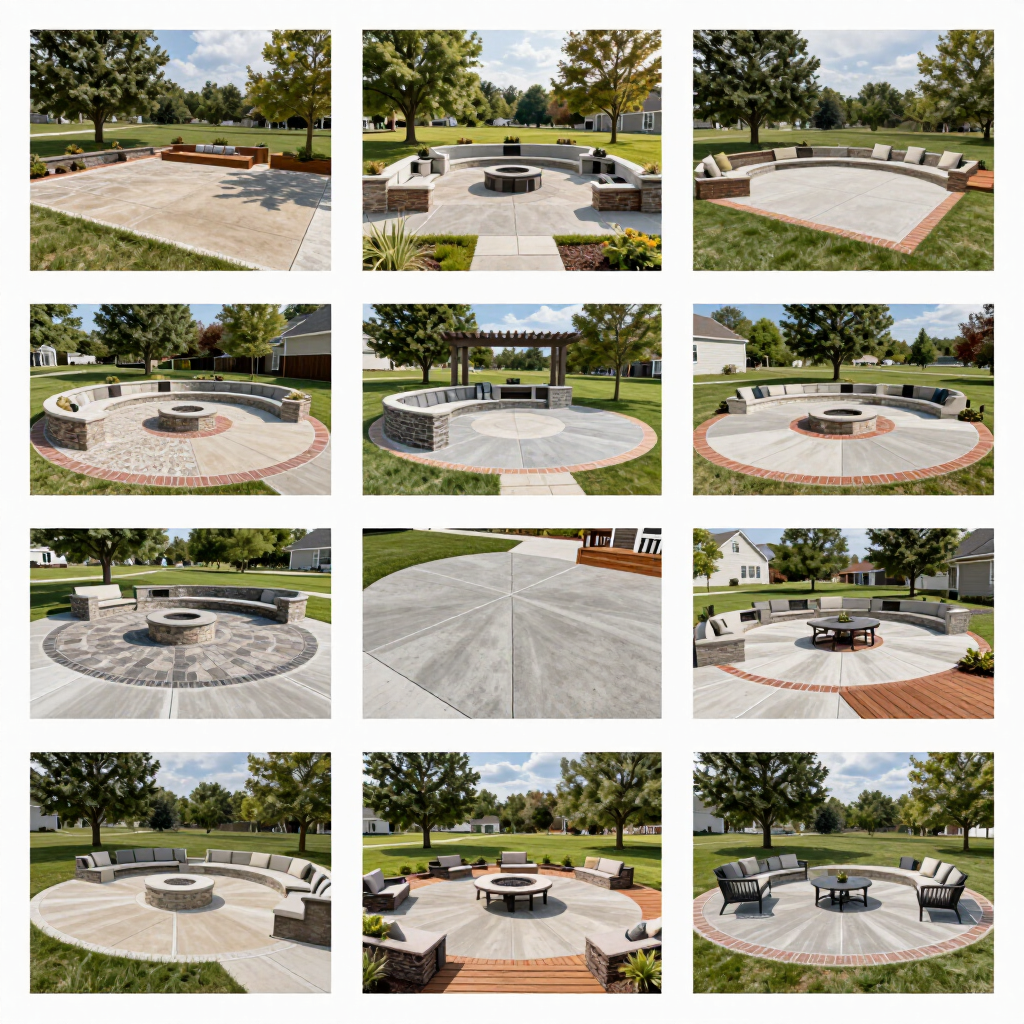
Pavers are often chosen for their design versatility.
Pavers:
- Wide range of shapes, colors, and patterns
- Ability to create intricate designs
- Customizable layouts
Concrete:
- Can be stamped or colored
- More limited in pattern variety
- Clean, uniform appearance
If design is your top priority, pavers may offer more creative freedom.
6. Repairs and Longevity
Over time, all outdoor surfaces require maintenance or repairs.
Concrete:
- Repairs can be more noticeable
- Cracks may require patching or resurfacing
- Long lifespan (25–30 years or more)
Pavers:
- Easy to replace individual units
- Repairs are less noticeable
- May require periodic adjustments
Pavers offer easier repairs, but concrete typically lasts longer with less intervention.
Pros and Cons of Concrete Walkways
Advantages
- Lower upfront cost
- Long lifespan
- Low maintenance
- Clean, modern appearance
- Strong and durable
Disadvantages
- Can crack over time
- Repairs may be visible
- Less design flexibility than pavers
Pros and Cons of Paver Walkways
Advantages
- Highly customizable designs
- Easy to repair
- Flexible under shifting ground
Disadvantages
- Higher upfront cost
- Requires more maintenance
- Can shift or settle over time
Which Option Is Better for Wheaton Homeowners?
The best choice depends on your priorities.
Choose Concrete If:
- You want a cost-effective solution
- You prefer low maintenance
- You value durability and longevity
- You like a clean, uniform look
Choose Pavers If:
- Design flexibility is your top priority
- You want a more decorative appearance
- You don’t mind ongoing maintenance
- You prefer easier repairs
For many homeowners in Wheaton, concrete is the preferred option due to its durability and ability to withstand Illinois weather.
Design Considerations for Walkways
Regardless of the material you choose, good design is essential.
Consider the Layout
Curved walkways create a natural flow, while straight paths offer a more formal look.
Match Your Home’s Style
Choose materials and colors that complement your home’s exterior.
Focus on Functionality
Ensure the walkway is wide enough and properly graded for safe use.
Plan for Drainage
Proper slope prevents water pooling and extends the life of your walkway.
Common Mistakes to Avoid
Avoid these mistakes when choosing or installing a walkway:
- Prioritizing appearance over durability
- Ignoring drainage requirements
- Choosing low-quality materials
- Hiring inexperienced contractors
Proper installation is key to long-term performance.
FAQs About Concrete vs Paver Walkways
Which lasts longer, concrete or pavers?
Concrete typically lasts longer with less maintenance, while pavers may require adjustments over time.
Are pavers more expensive than concrete?
Yes, pavers usually have a higher upfront cost due to materials and labor.
Is concrete slippery?
Textured finishes can improve traction and reduce slipperiness.
Do pavers add more value to a home?
Both options can add value, but well-designed concrete walkways also provide strong curb appeal.
Long-Term Value Comparison
When considering long-term value:
- Concrete offers durability and lower maintenance costs
- Pavers offer design flexibility and easier repairs
For many homeowners, concrete provides the best balance of cost, performance, and longevity.
Final Thoughts
Choosing between a concrete walkway and pavers comes down to your priorities. If you’re looking for a durable, low-maintenance, and cost-effective solution, concrete is often the best choice—especially in Wheaton, IL where weather conditions can be demanding.
Pavers offer more design flexibility, but they require more upkeep and a higher upfront investment. For homeowners who prioritize long-term performance and simplicity, concrete walkways provide excellent value.
With over 50 years of experience, Harold Westwood Concrete Inc has helped homeowners throughout Wheaton and surrounding areas install high-quality walkways designed to withstand local conditions and enhance curb appeal.
If you’re planning a new walkway, choosing the right material is the first step toward a long-lasting and visually appealing result.