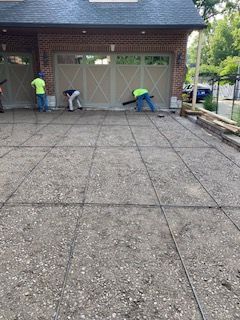
If your driveway in Wheaton, IL has large cracks, uneven surfaces, or drainage issues, it may be time for a full replacement rather than another temporary repair. While minor damage can often be fixed, widespread deterioration is a clear sign that your driveway’s foundation is failing.
Most concrete driveways last
20–30 years, but Illinois weather—especially freeze-thaw cycles—can accelerate wear and tear. Recognizing the early warning signs of failure can help you avoid costly repairs, improve safety, and restore your home’s curb appeal.
Below are the
seven most common signs that indicate it’s time to replace your driveway.
1. Widespread or Deep Cracking
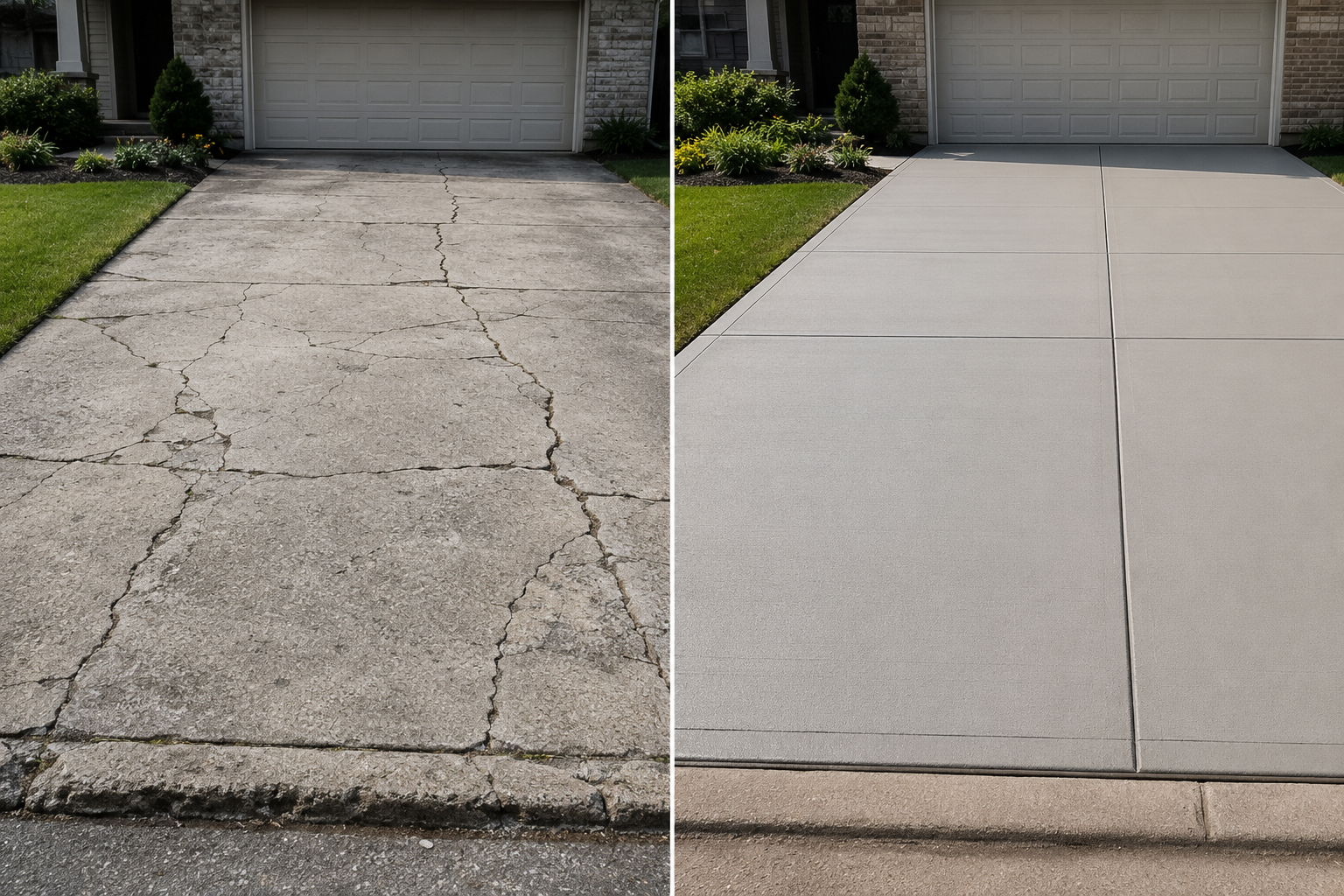
Small surface cracks are normal over time, but large or widespread cracking is a serious issue. When cracks begin to connect across large sections of your driveway—often called “alligator cracking”—it typically means the underlying base has failed.
Why This Happens
- Soil movement beneath the concrete
- Poor initial installation
- Freeze-thaw cycles expanding cracks
- Water infiltration weakening the base
Once cracks reach this level, simple patching won’t solve the problem. Repairs may temporarily hide the issue, but the damage will continue to spread.
2. Uneven or Sunken Sections
If parts of your driveway are sinking or lifting, this creates both a safety hazard and a structural problem. Uneven surfaces often indicate that the ground beneath the concrete is no longer stable.
Common Causes
- Improper compaction during installation
- Erosion from poor drainage
- Soil shifting due to moisture changes
In Wheaton, fluctuating temperatures and moisture levels can cause the soil to expand and contract, leading to uneven slabs. When multiple sections are affected, replacement is usually the best long-term solution.
3. Standing Water or Drainage Problems
Water pooling on your driveway is more than just an inconvenience—it’s a warning sign of underlying issues.
Why Drainage Matters
Concrete driveways should be slightly sloped to direct water away from your home. If water sits on the surface, it can:
- Seep into cracks
- Freeze and expand in winter
- Accelerate deterioration
- Weaken the base layer
Over time, poor drainage can lead to extensive damage that requires full replacement.
4. Frequent Repairs That Don’t Last
If you find yourself repairing your driveway every year—or even every few years—it may be costing you more than replacing it entirely.
Signs You’re Over-Repairing
- Crack fillers keep reopening
- Patches don’t match or hold
- New damage appears quickly after repairs
While repairs are useful for minor issues, they are not a long-term solution for structural problems. At a certain point, replacement becomes the more cost-effective option.
5. Your Driveway Is Over 20 Years Old
Age alone doesn’t always mean replacement is necessary, but it’s an important factor. Most concrete driveways begin to show significant wear after
20 years, especially in climates like Illinois.
What Happens Over Time
- Surface wear from traffic
- Gradual weakening of the base
- Increased susceptibility to cracking
- Reduced resistance to moisture
If your driveway is older and showing multiple signs of damage, replacement is often the best investment.
6. Surface Flaking or Spalling
Spalling occurs when the surface of the concrete begins to peel, flake, or chip away. This is a common issue in areas with freeze-thaw cycles like Wheaton.
Causes of Spalling
- Moisture penetrating the surface
- Freeze-thaw expansion
- Use of deicing salts
- Poor finishing during installation
While minor spalling can sometimes be repaired, widespread surface damage usually requires replacement to restore both appearance and structural integrity.
7. Decreased Curb Appeal and Property Value
Your driveway is one of the first things people notice about your home. A damaged or deteriorating driveway can negatively impact your property’s appearance and value.
Signs It’s Affecting Curb Appeal
- Visible cracks and stains
- Uneven or patchy surfaces
- Faded or worn-out appearance
In competitive housing markets like Wheaton, a new driveway can significantly improve your home’s attractiveness to potential buyers.
Repair vs Replacement: How to Decide
One of the most common questions homeowners ask is whether they should repair or replace their driveway.
Choose Repairs If:
- Damage is minor and localized
- Cracks are small and not spreading
- The driveway is relatively new
Choose Replacement If:
- Damage is widespread
- Structural issues are present
- Repairs are frequent and ineffective
- The driveway is over 20 years old
A professional inspection can help determine the best course of action based on your specific situation.
Benefits of Replacing Your Driveway
Replacing your driveway offers several long-term advantages beyond just fixing visible damage.
Improved Safety
Eliminates tripping hazards caused by cracks and uneven surfaces.
Better Drainage
A properly installed driveway prevents water pooling and protects your foundation.
Increased Property Value
A new driveway enhances curb appeal and can boost resale value.
Long-Term Cost Savings
While replacement requires a higher upfront investment, it reduces the need for ongoing repairs.
What to Expect During Driveway Replacement
If you decide to replace your driveway, understanding the process can help you prepare.
- Inspection and planning
- Removal of existing concrete
- Excavation and grading
- Installation of a stable base
- Reinforcement placement
- Pouring and finishing new concrete
- Curing and sealing
Most projects in Wheaton take
3 to 7 days, depending on size and weather conditions.
FAQs About Driveway Replacement
How long does a new driveway last?
A properly installed concrete driveway can last
25 to 30 years or more with proper maintenance.
Can I replace only part of my driveway?
Partial replacement is possible, but it may lead to uneven wear and appearance differences over time.
How soon can I use my new driveway?
You can typically walk on it within 24–48 hours, but vehicles should stay off for at least 5–7 days.
Does replacing a driveway require a permit in Wheaton?
In many cases, yes. It’s important to check local regulations before starting your project.
Final Thoughts
Knowing when to replace your driveway can save you time, money, and frustration. While minor issues can often be repaired, widespread damage, drainage problems, and aging concrete are clear indicators that replacement is the better option.
For homeowners in Wheaton, IL, investing in a professionally installed concrete driveway ensures durability, safety, and long-term value—especially in a climate that puts materials to the test.
With over 50 years of experience, Harold Westwood Concrete Inc has helped countless homeowners in Wheaton and surrounding areas replace failing driveways with high-quality, long-lasting solutions.
If your driveway is showing multiple signs of damage, now is the right time to have it evaluated and explore your replacement options.