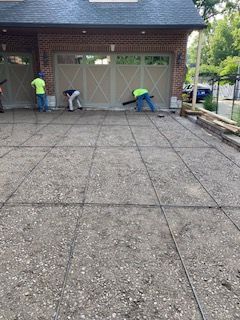
If your driveway is cracked, uneven, or showing signs of wear, you may be wondering whether to repair it or replace it entirely. The right choice depends on the extent of the damage, the age of the driveway, and the condition of the foundation underneath.
In Wheaton, IL, where freeze-thaw cycles can accelerate concrete damage, many homeowners face this decision sooner than expected. While repairs can be a cost-effective short-term solution, replacement is often the better long-term investment when structural issues are present.
Understanding the differences between repair and replacement will help you make the most cost-effective and durable decision for your property.
Understanding the Difference Between Repair and Replacement
Before deciding, it’s important to understand what each option involves.
What Is Driveway Repair?
Driveway repair focuses on fixing
surface-level issues without removing the entire slab. Common repair methods include:
- Crack filling
- Patching damaged areas
- Resurfacing
- Sealing
Repairs are typically quicker and less expensive, but they don’t address deeper structural problems.
What Is Driveway Replacement?
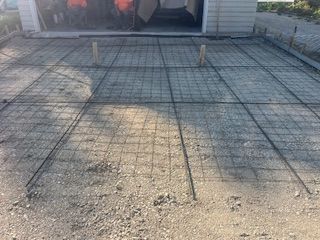
Replacement involves removing the existing driveway and installing a completely new one. This process includes:
- Demolition of old concrete
- Excavation and base preparation
- New concrete installation
- Proper reinforcement and finishing
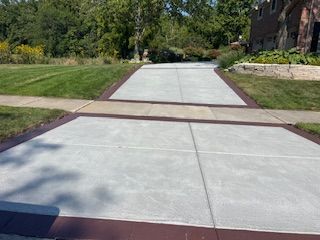
Replacement is a larger investment but provides a fresh start and long-term durability.
When Driveway Repair Is the Right Choice
Repairs are ideal when damage is minimal and the underlying structure is still solid.
Signs Repair Is Enough
1. Small, Isolated Cracks
Hairline cracks or small surface cracks can usually be filled and sealed to prevent further damage.
2. Minor Surface Wear
If your driveway has light wear or discoloration, resurfacing can restore its appearance.
3. Limited Damage Area
If only a small section of your driveway is damaged, targeted repairs may be sufficient.
4. Relatively New Driveway
If your driveway is less than 10–15 years old and structurally sound, repairs are often the best option.
Benefits of Repair
- Lower upfront cost
- Faster completion time
- Minimal disruption
- Extends the life of your driveway
However, repairs are typically temporary and may need to be repeated over time.
When Driveway Replacement Is the Better Option
Replacement becomes necessary when damage goes beyond the surface and affects the structural integrity of the driveway.
Signs You Need Replacement
1. Widespread Cracking
Large cracks across multiple areas indicate a failing foundation.
2. Uneven or Sunken Sections
If your driveway is no longer level, the base underneath has likely shifted or eroded.
3. Drainage Issues
Water pooling or improper runoff can weaken the driveway and lead to further damage.
4. Frequent Repairs
If you’re constantly fixing the same issues, replacement is more cost-effective in the long run.
5. Age Over 20 Years
Older driveways are more prone to structural failure and may no longer perform effectively.
Benefits of Replacement
- Long-term durability (25–30 years or more)
- Improved safety and functionality
- Better drainage and structural integrity
- Enhanced curb appeal and property value
While the upfront cost is higher, replacement often saves money over time by eliminating recurring repair expenses.
Cost Comparison: Repair vs Replacement in Wheaton, IL
Understanding the cost difference can help guide your decision.
Typical Repair Costs:
- Crack filling: $100–$500
- Patching: $300–$1,500
- Resurfacing: $3–$7 per sq ft
Typical Replacement Costs:
- Standard concrete driveway: $6–$10 per sq ft
- Decorative concrete: $10–$18 per sq ft
- Removal and excavation: $1,000–$5,000
While repairs are more affordable upfront, multiple repairs over time can exceed the cost of a full replacement.
How Illinois Weather Impacts Your Decision
Wheaton’s climate plays a major role in driveway performance.
Freeze-Thaw Cycles
Water seeps into cracks, freezes, and expands—making cracks worse over time.
Moisture and Drainage Issues
Heavy rain and snow can weaken the base beneath your driveway.
Temperature Fluctuations
Frequent expansion and contraction can accelerate wear and tear.
Because of these conditions, driveways with structural damage often require replacement rather than repeated repairs.
Long-Term Value: Which Option Saves More?
When deciding between repair and replacement, it’s important to consider long-term value—not just upfront cost.
Repair:
- Lower initial cost
- Short-term solution
- May require ongoing maintenance
Replacement:
- Higher initial cost
- Long-term solution
- Minimal maintenance over time
In many cases, replacement provides better value, especially if your driveway is older or has significant damage.
Common Mistakes Homeowners Make
Avoid these common mistakes when deciding between repair and replacement:
Choosing Repair When Replacement Is Needed
This leads to repeated costs and ongoing frustration.
Ignoring Drainage Problems
Fixing the surface without addressing drainage will result in recurring damage.
Hiring Inexperienced Contractors
Improper repairs or installation can shorten the lifespan of your driveway.
Delaying Necessary Work
Waiting too long can make the problem worse and increase overall costs.
What to Expect During Replacement
If you choose replacement, here’s what the process typically involves:
- Inspection and planning
- Removal of existing driveway
- Excavation and grading
- Installation of a stable base
- Reinforcement placement
- Pouring and finishing new concrete
- Curing and sealing
Most projects in Wheaton take 3–7 days, depending on size and weather.
FAQs About Driveway Repair and Replacement
How long do driveway repairs last?
Repairs typically last
3–5 years, depending on the severity of the issue and weather conditions.
Can resurfacing fix major damage?
No. Resurfacing only addresses surface-level issues and won’t fix structural problems.
Is replacement worth the cost?
Yes, especially if your driveway has significant damage or is nearing the end of its lifespan.
How soon can I use my driveway after replacement?
You can usually walk on it within 24–48 hours and drive on it after 5–7 days.
How to Make the Right Decision
To determine whether repair or replacement is right for you, consider:
- The extent of the damage
- The age of your driveway
- Your long-term plans for the property
- Your budget
A professional evaluation can provide clarity and help you avoid unnecessary expenses.
Final Thoughts
Choosing between driveway repair and replacement is an important decision that impacts your home’s safety, appearance, and value. While repairs can be effective for minor issues, widespread damage and aging concrete often require full replacement for long-term results.
In Wheaton, IL, where weather conditions can accelerate deterioration, investing in a properly installed concrete driveway ensures durability and peace of mind.
With over 50 years of experience, Harold Westwood Concrete Inc has helped homeowners throughout Wheaton and surrounding areas determine the best solution for their driveways—whether that means targeted repairs or complete replacement.
If your driveway is showing signs of wear, having it professionally evaluated is the best way to move forward with confidence.