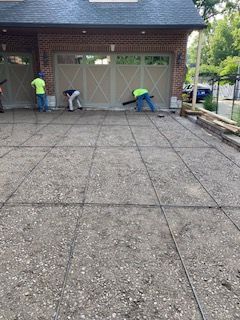
Yes—many concrete projects in Wheaton, IL require a permit, especially for work involving driveways, patios, sidewalks, and structural concrete installations. While smaller projects may not always need approval, most exterior concrete work that impacts drainage, property lines, or public access must comply with local building regulations.
Understanding permit requirements before starting your project is critical. Failing to obtain the proper permits can lead to fines, project delays, or even having to remove completed work. Whether you’re installing a new driveway or upgrading your outdoor space, knowing when a permit is required helps ensure your project runs smoothly from start to finish.
Why Permits Are Required for Concrete Work
Permits are not just a formality—they serve an important purpose in protecting homeowners, neighbors, and the community.
Key Reasons Permits Are Required
- Safety: Ensures work meets structural and safety standards
- Drainage Control: Prevents water runoff issues that could affect neighboring properties
- Zoning Compliance: Ensures projects meet property line and setback requirements
- Infrastructure Protection: Prevents damage to sidewalks, curbs, and public spaces
In Wheaton, where residential areas are closely regulated, permits help maintain consistency and protect property values.
Types of Concrete Projects That Typically Require Permits
Not all concrete work requires a permit, but many common projects do.
1. Driveway Installation or Replacement
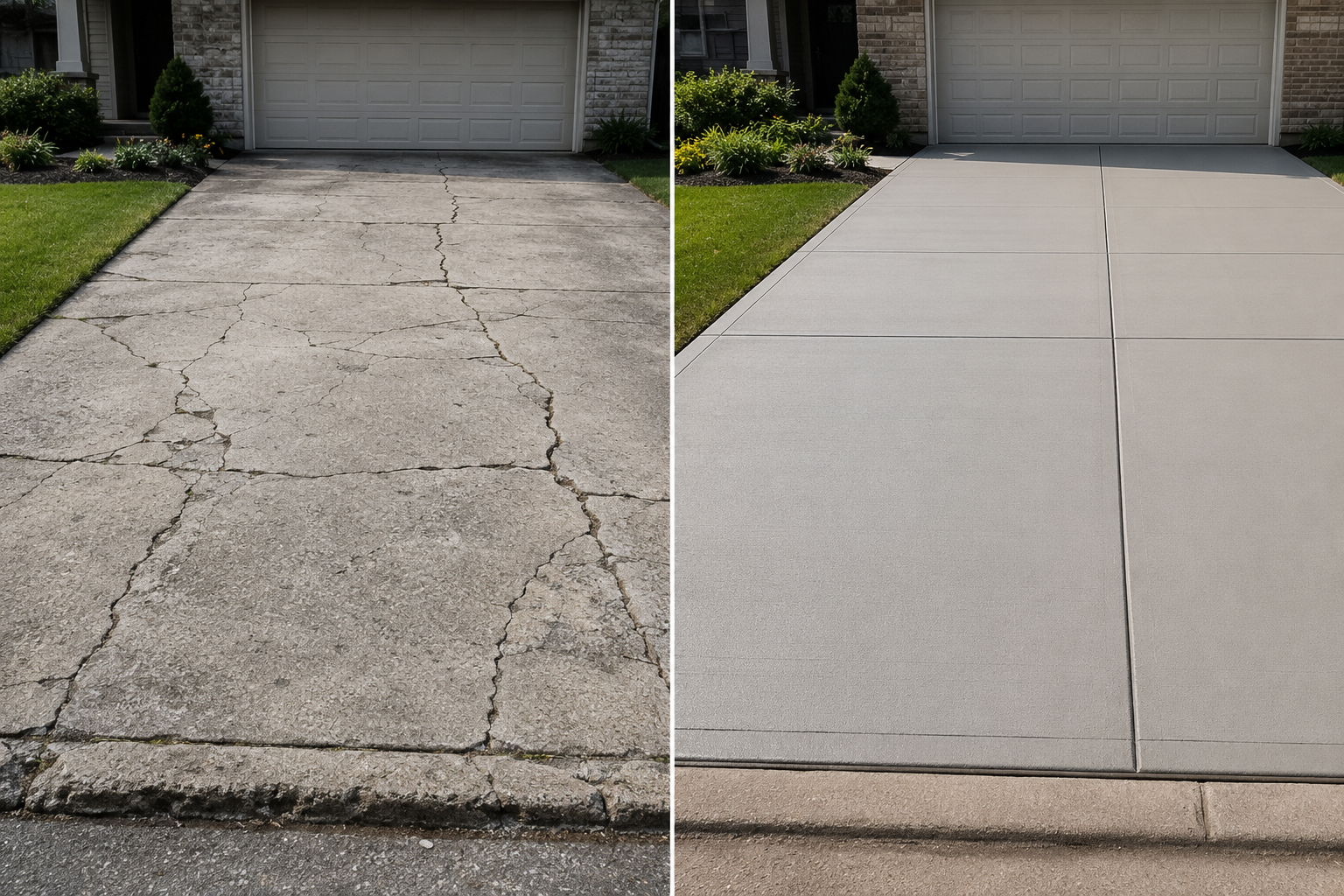
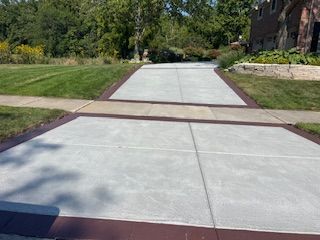
Driveways almost always require permits in Wheaton because they connect to public streets and impact drainage.
Why Permits Are Needed:
- Ensures proper slope and water runoff
- Confirms compliance with curb and sidewalk regulations
- Verifies driveway width and placement
Even replacing an existing driveway may require approval, especially if changes are being made.
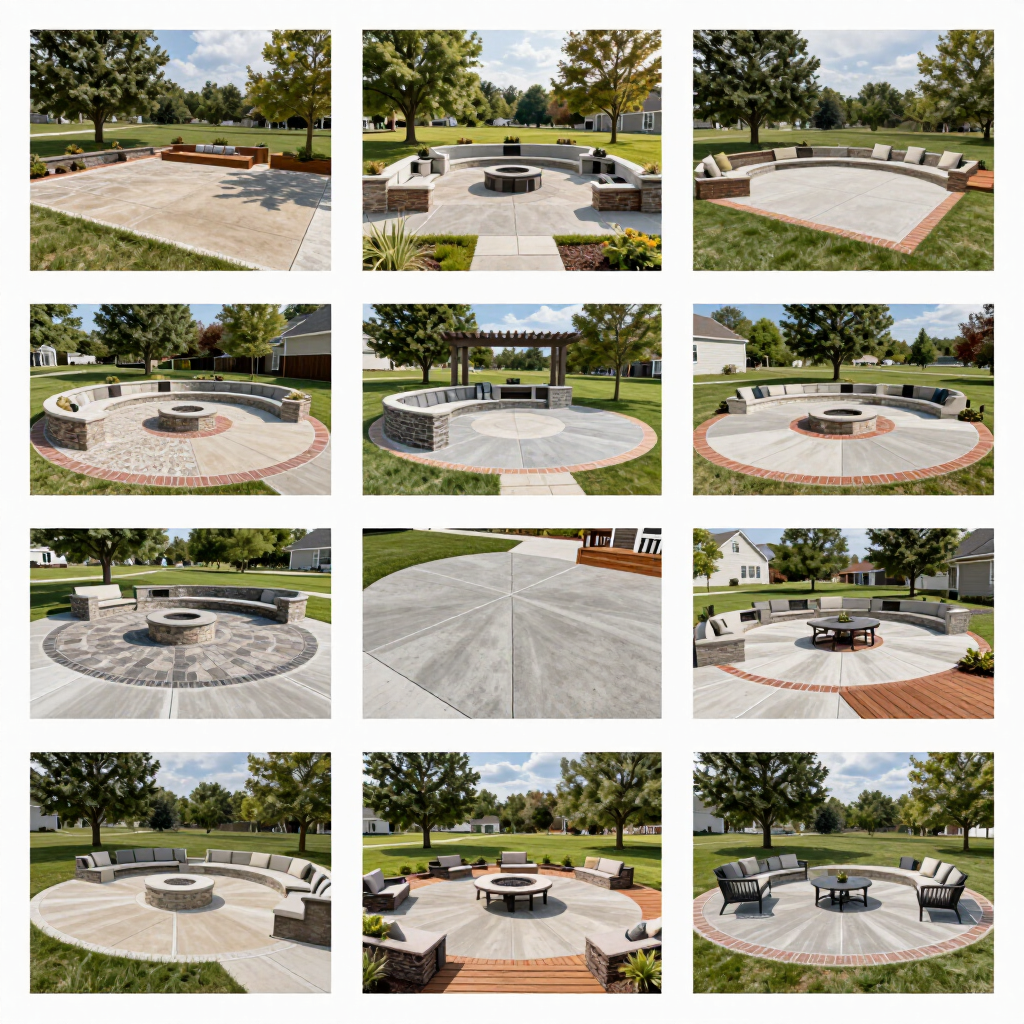
2. Concrete Patios
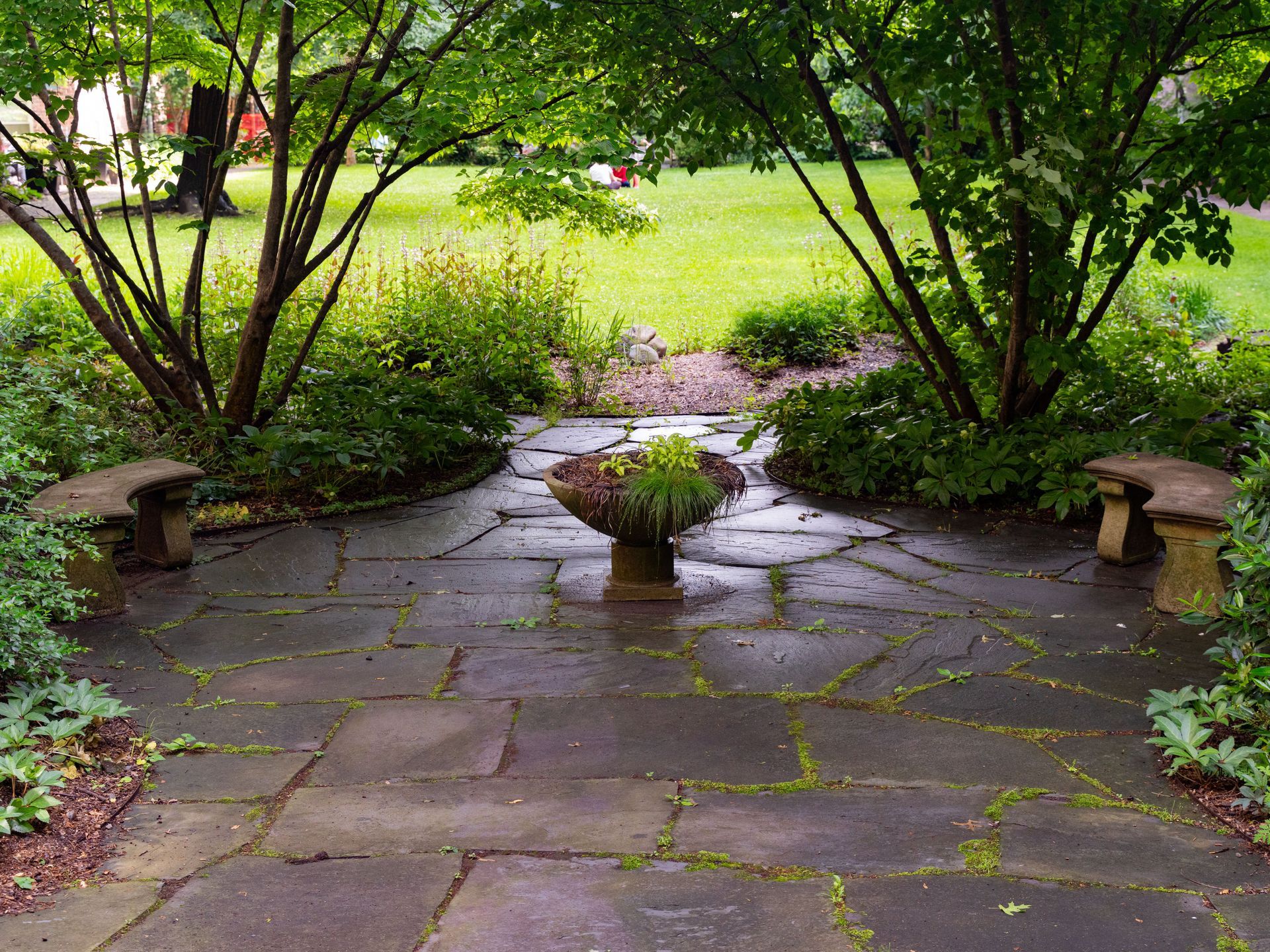
Patios may require permits depending on size, location, and whether they are attached to the home.
Permit May Be Required If:
- The patio is attached to your house
- It exceeds a certain size
- It affects drainage patterns
Detached patios sometimes do not require permits, but it’s always best to verify.
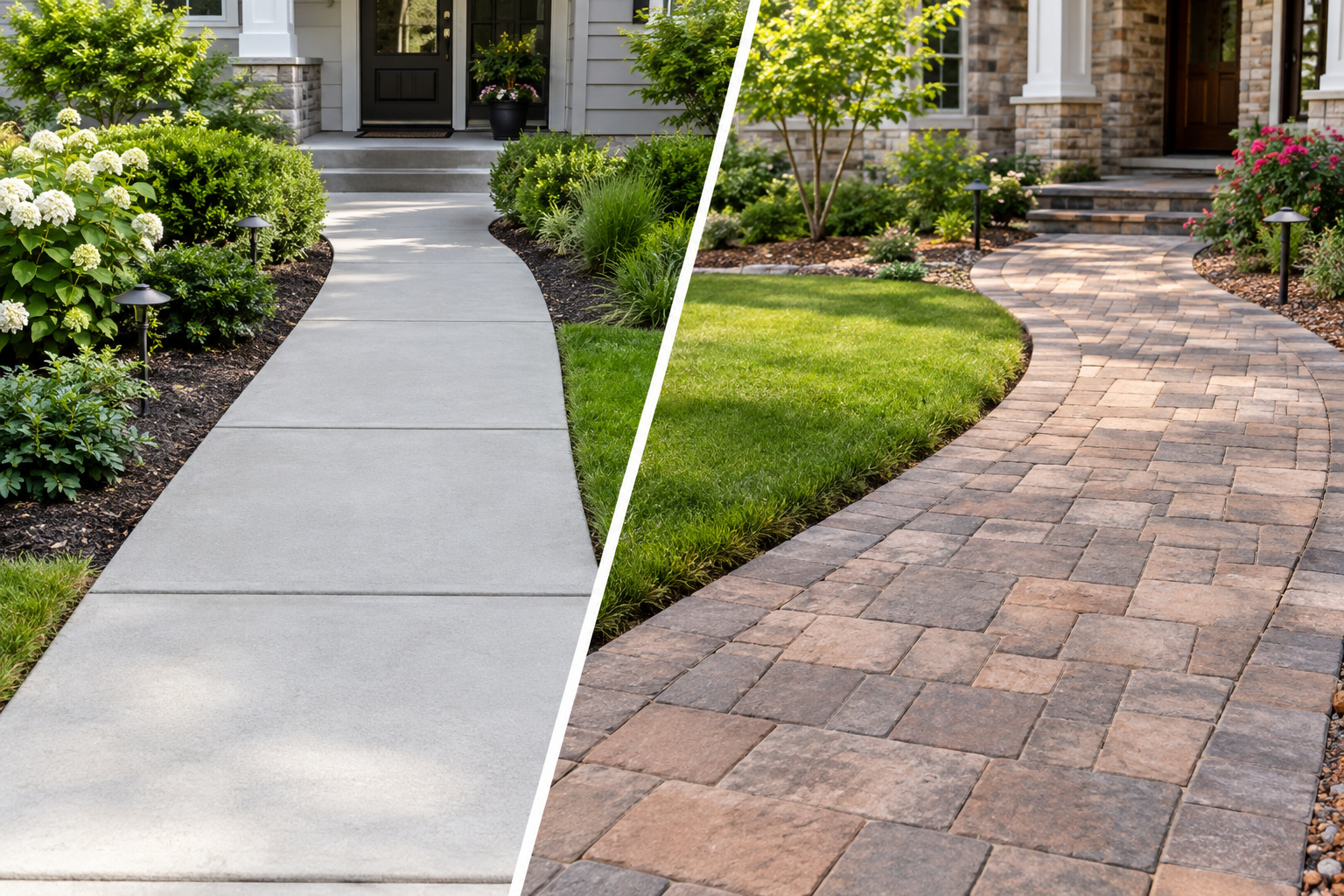
3. Walkways and Sidewalks
Concrete walkways, especially those connecting to public sidewalks, may require permits.
Considerations:
- Public right-of-way regulations
- Accessibility requirements
- Proper grading and drainage
4. Retaining Walls
Retaining walls often require permits, particularly if they exceed a certain height.
Why Permits Are Important:
- Structural integrity
- Soil retention safety
- Drainage control
In many cases, engineered plans may be required for larger retaining walls.
5. Steps and Concrete Stairs
Concrete stairs or steps attached to your home or leading to entryways may require permits.
Requirements May Include:
- Proper dimensions
- Safety compliance
- Handrail installation
Projects That May Not Require Permits
Some smaller or less impactful projects may not need a permit, such as:
- Small detached patios
- Minor repairs or resurfacing
- Decorative concrete features not affecting structure or drainage
However, regulations can vary, and it’s always best to confirm with the City of Wheaton before starting any project.
How to Get a Concrete Permit in Wheaton, IL
The permit process is straightforward when you know what to expect.
Step 1: Contact the Local Building Department
Start by reaching out to Wheaton’s building department to confirm whether your project requires a permit.
Step 2: Submit Project Plans
You may need to provide:
- Property survey
- Project dimensions
- Site layout
- Drainage details
For larger projects, additional documentation may be required.
Step 3: Pay Permit Fees
Permit fees vary depending on the size and scope of the project.
Step 4: Schedule Inspections
Some projects require inspections during or after construction to ensure compliance.
Step 5: Receive Approval
Once approved, you can begin your project with confidence that it meets local regulations.
How Long Does It Take to Get a Permit?
The timeline for permit approval can vary.
Typical Timeframes:
- Small projects: A few days
- Larger projects: 1–2 weeks
Planning ahead is important to avoid delays, especially during peak construction seasons in spring and summer.
What Happens If You Don’t Get a Permit?
Skipping the permit process can lead to serious consequences.
Potential Issues:
- Fines and penalties
- Stop-work orders
- Required removal of completed work
- Difficulty selling your home in the future
Unpermitted work can also create liability issues if problems arise later.
The Role of a Professional Contractor
Working with an experienced concrete contractor can simplify the permit process significantly.
How Contractors Help
- Determine if permits are required
- Prepare and submit documentation
- Ensure compliance with local codes
- Coordinate inspections
In many cases, contractors handle the entire permit process on your behalf, saving you time and reducing stress.
Local Considerations for Wheaton Homeowners
Wheaton has specific regulations that homeowners should be aware of.
Key Considerations
- Driveway width and placement restrictions
- Drainage requirements to prevent runoff issues
- Setback rules for patios and structures
- Compliance with neighborhood guidelines
Understanding these local requirements ensures your project meets all necessary standards.
Common Mistakes to Avoid
Avoid these common pitfalls when dealing with permits:
Assuming You Don’t Need One
Even small projects can require permits depending on location and scope.
Starting Work Before Approval
Beginning construction without a permit can result in penalties.
Incomplete Applications
Missing information can delay approval.
Ignoring Local Regulations
Each municipality has unique requirements—what applies elsewhere may not apply in Wheaton.
FAQs About Concrete Permits in Wheaton
Do I always need a permit for a new driveway?
In most cases, yes—especially if it connects to a public street.
Are permits required for driveway repairs?
Minor repairs may not require a permit, but full replacements often do.
Can my contractor handle the permit process?
Yes, many contractors manage permits on behalf of homeowners.
How much does a permit cost?
Costs vary depending on the project size and complexity.
Benefits of Following Permit Requirements
While permits may seem like an extra step, they offer important advantages:
- Ensures safe, high-quality construction
- Protects your property value
- Prevents legal and financial issues
- Provides peace of mind
Following proper procedures ensures your investment is protected.
Final Thoughts
If you’re planning concrete work in Wheaton, IL, understanding permit requirements is an essential first step. While not every project requires approval, many common installations—especially driveways and larger patios—do.
Taking the time to secure the proper permits helps avoid costly mistakes, ensures compliance with local regulations, and protects your property in the long run.
With over 50 years of experience, Harold Westwood Concrete Inc is familiar with Wheaton’s permit requirements and can guide homeowners through the process while delivering high-quality concrete work that meets all local standards.
Before starting your next project, confirming permit requirements and working with experienced professionals will help ensure everything goes smoothly from start to finish.